 By Siam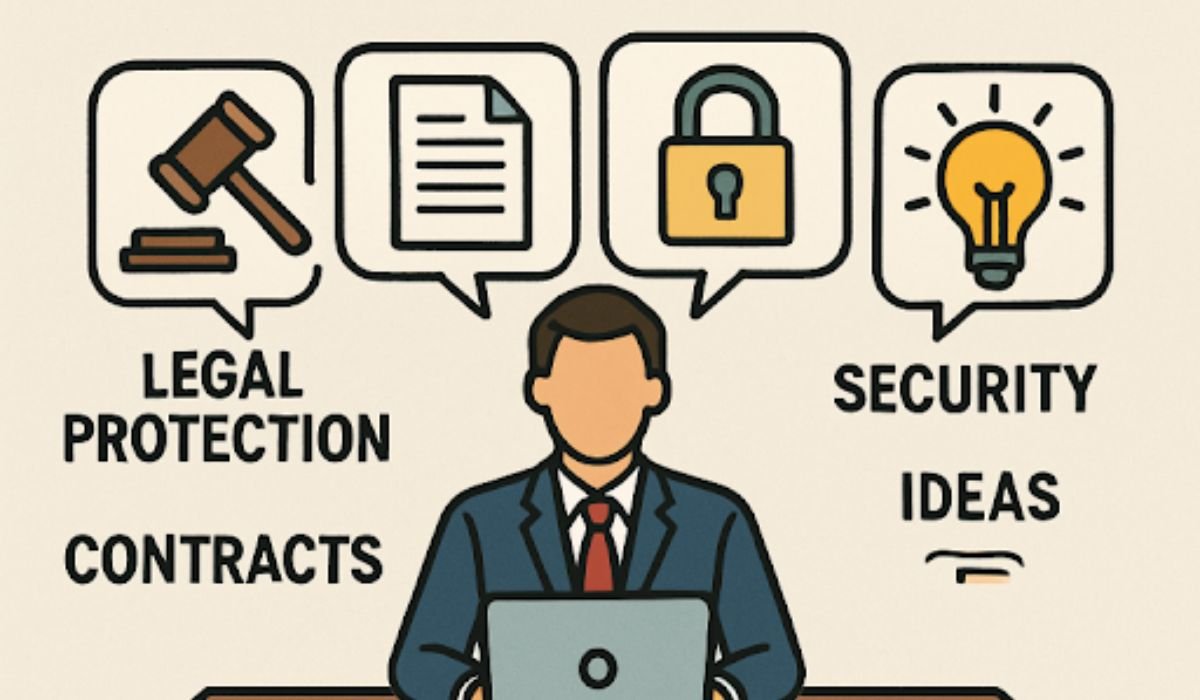
Setting out on the path of entrepreneurship is both thrilling and challenging. Amidst the excitement of building a brand or launching a product, many entrepreneurs underestimate the importance of legal groundwork. From day one, understanding your obligations, risks, and protections can make the difference between a thriving enterprise and early setbacks. If you are unsure where to start, seeking advice from business attorneys in Colorado can provide valuable guidance tailored to your unique business needs.
Legal issues for startups are not merely formalities; they shape the framework within which you operate. The right steps will help you protect your personal and business assets, clarify relationships, and ensure long-term stability. A misstep can expose you to lawsuits, fines, or the loss of your most valuable ideas. That is why getting these foundational decisions right is essential if you want peace of mind as your business grows.
From the outset, entrepreneurs should take a proactive role in understanding their legal environment. Each decision, from structuring your business to handling employment concerns, sets the tone for how your company operates both internally and in the marketplace. By paying attention to detail, you can position your venture for sustainable success.
Another important part of the startup journey involves adapting as laws and regulations evolve. Keeping up with these changes is as vital as any other business function. In fact, legal agility can boost your ability to seize new opportunities or avoid costly mistakes, according to the U.S. Small Business Administration.
The structure of your business forms the legal and operational foundation of your company. Each structure brings its own implications for taxes, liability, and administrative requirements. A sole proprietorship is the simplest way to start, with minimal paperwork, but it offers no personal separation from business debts or legal issues. A partnership allows two or more individuals to share profits, losses, and control, but it requires clear agreements to avoid potential disputes.
Forming a corporation creates a separate legal entity that offers owners significant liability protection. However, corporations tend to have more regulations and higher operating costs due to additional governance requirements. Many startups opt for a Limited Liability Company (LLC) because it combines liability protection with fewer formalities and offers flexible management structures. Educating yourself about each option will help you select the best fit for your circumstances and future plans.
For many entrepreneurs, intellectual property (IP) is at the heart of their competitive advantage. Safeguarding your IP keeps your inventions, brands, and creative works from being used without permission. Patents protect new inventions or processes for a set period, preventing others from making or selling your invention. Trademarks guard your business name, logo, and slogans, which represent your brand in the market. Copyrights cover original written or artistic works, and trade secrets ensure that confidential business information, such as formulas or methods, remains secure.
Failing to secure IP rights is a frequent and damaging mistake that many new business owners make. The United States Patent and Trademark Office provides resources to help you navigate this critical process.
As your company expands, hiring the right team becomes essential. Employment laws are designed to protect both employers and employees. It is important to follow wage and hour laws to avoid costly lawsuits. Implementing fair and non-discriminatory hiring practices will ensure compliance and fairness throughout the employment process. Providing a safe working environment is not only a legal obligation but also contributes to higher employee satisfaction and productivity. Understand the requirements around employee benefits, overtime, and rights to avoid penalties and support staff retention.
Staying diligent with compliance can be challenging, especially as rules change and your workforce grows. Regularly reviewing your policies and processes is a best practice for minimizing risks and creating a positive company culture. Resources such as the U.S. Department of Labor can provide updated guidance and regulations on workplace laws.
Sound contracts are the backbone of healthy business relationships. Each agreement you enter should clearly spell out the rights, expectations, and responsibilities of each party. Partnership agreements are vital for avoiding disputes over ownership or day-to-day decisions. Employment contracts set the ground rules for compensation, duties, and grounds for termination. Vendor agreements clarify deliverables, deadlines, and payment terms for goods or services, while Non-Disclosure Agreements (NDAs) help protect sensitive business information.
Having a lawyer draft or review your key contracts ensures all terms comply with current laws while reflecting your business priorities. This investment can save you time, money, and reputational damage in the event of future disagreements or litigation.
Entrepreneurs must understand and adhere to a range of regulatory and tax requirements. Failing to do so can result in steep fines, operational shutdowns, or even criminal charges in serious cases. Ensure you obtain all necessary business licenses and permits before you start operating. Many industries require specialized permits, so research state and local regulations thoroughly.
It is also important to stay on top of all tax obligations. You may be responsible for income tax, sales tax, payroll tax, and more at the federal, state, and local levels. Keeping accurate, up-to-date financial records makes reporting easier and reduces the risk of an audit. Seek ongoing guidance from accountants or legal experts to navigate complex requirements and avoid mistakes that could threaten your business’s future.
Paving the way for long-term business success means getting your legal foundations right from day one. By taking the time to understand your options, implement legal safeguards, and regularly update your compliance efforts, you are better equipped to focus on growing your company and seizing new opportunities. Proactively addressing legal considerations is not just about avoiding problems; it is a critical part of building a resilient and innovative business for the future.
YOU MAY ALSO LIKE: Itchko Ezratti Net Worth: GL Homes’ Billion-Dollar Florida Real Estate Legacy
 Arthur
  Prime Star