 By Arthur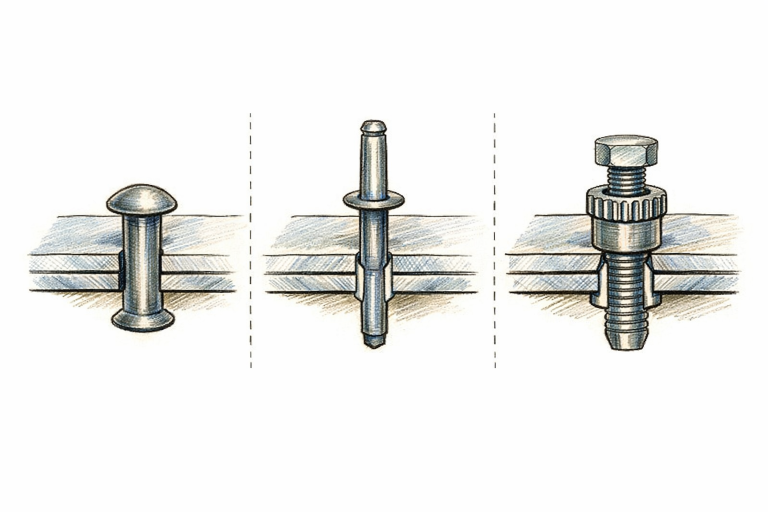
- Knowing the various rivet types and their ideal uses safeguards aircraft assembly quality.
- Material compatibility reduces the risk of corrosion and ensures matched mechanical properties.
- Accurate sizing and professional installation are critical for structural soundness.
- Environmental considerations influence rivet longevity and performance.
Ensuring the structural integrity and safety of an aircraft begins with selecting the proper rivets. These fasteners are vital in holding your aircraft together, and with so many options available, understanding what makes a rivet the right fit for your application can be challenging. This guide serves as an in-depth resource for choosing the most suitable aircraft rivets, considering material compatibility, load requirements, and real-world operating conditions to ensure safety and durability.
Choosing the right rivet is crucial for ensuring secure joints and providing long-lasting protection against corrosion and wear in aircraft construction and repair. This selection is not merely a product choice; it significantly affects the airframe’s service life and performance. By understanding the characteristics and applications of different rivets, you can meet strict aviation standards, avoid costly mistakes, and ensure compliance with safety regulations.
This article aims to simplify the decision-making process by helping you select the appropriate fastener for your project in line with industry best practices. Staying informed about industry developments and connecting with knowledgeable suppliers are essential for adapting to technological advancements and regulatory changes.
Aircraft rivets are not one-size-fits-all. The aviation industry relies mainly on three types, each tailored to specific assembly and maintenance scenarios:
- Solid Shank Rivets: Preferred for primary structural components, these rivets require access from both sides. Their high shear and tensile strength make them ideal for foundational assemblies such as fuselage skins and wing structures.
- Blind Rivets: Useful when only one side of the joint is accessible, they allow fastening in restricted or enclosed areas. Though easy to install, they may not always match the pure structural strength of solid-shank variants, so their suitability for primary structure must always be carefully evaluated.
- Special Rivets: Some applications demand unique attributes, such as higher load capacity or vibration resistance. Mechanically locked stem rivets or those with specialized head shapes offer solutions for challenging spots and innovative airframe designs.
The project requirements, joint locations, and stress environment will largely dictate which rivet type provides the best result. By assessing the strengths of each option, you’ll ensure optimal attachment and safety.
The chemical makeup of both the rivet and the base materials determines the overall durability of the aircraft assembly. Preventing galvanic corrosion, maximizing load-bearing capacity, and reducing maintenance all hinge on smart material selection. The main materials used are:
- Aluminum Alloys: Lightweight and corrosion-resistant, aluminum rivets are a staple for typical airframe joining. Their composition, similar to that of aluminum airframes, minimizes corrosion risk and reduces variability in expansion under temperature swings.
- Steel: When high stress or impact resistance is needed, such as around landing gear, steel rivets are often the go-to solution. Their inherent strength can compensate for mechanical loads that heavier alloys might not withstand.
- Titanium: For high-performance or corrosion-critical sections (such as leading edges or supersonic jets), it offers the best balance of weight and durability. It is more costly, but its long-term benefits can often outweigh initial expenses.
Choosing a rivet of the same or compatible material as the component reduces the risk of corrosion caused by dissimilar metals.
Rivet size is fundamental to the creation of strong, lasting joints. Two factors are critical:
- Diameter: The diameter must be at least three times the thickness of the thickest sheet being fastened. This ensures even load transfer and joint integrity throughout the aircraft’s service life.
- Length: The length must equal the sum of material thickness plus 1.5 times the diameter. Adequate length provides material to create a complete shop head, locking the joint against vibration and mechanical fatigue.
Accurate sizing, along with proper installation, protects flight-critical assemblies from loosening or shearing under operational stresses.
Environmental stressors, such as corrosion, extreme temperatures, and chemical exposure, directly affect fastener performance. Some guidelines for coping with challenging conditions:
- Corrosive Environments: Choose stainless steel, titanium, or corrosion-inhibiting coatings to address high humidity, salt, and chemical risk. Joint longevity can be severely reduced when the wrong material is used in a harsh climate.
- High Temperatures: In areas subject to heat, select materials with stable properties across wide temperature ranges. This prevents joint creep or premature loosening during flight cycles.
Careful assessment of the flight envelope and operational theater supports better rivet selection and lower long-term maintenance costs.
Correct installation is as influential as material or size choice. The following practices help maintain joint reliability and structural strength:
- Hole Preparation: Drill holes to correct diameter, de-burr both surfaces, and precisely align sheets to eliminate weak spots and stress concentrations.
- Tool Selection: Use the right-hand or pneumatic tools to ensure the shop head forms uniformly, preventing cracks and slippage.
- Inspection: Implement regular inspection protocols to detect signs of fatigue, corrosion, or surface wear before they escalate into larger failures.
Staying diligent in the installation and inspection process underpins an aircraft’s safety record and operational readiness.
Working with a reputable fastener supplier supports consistency and access to top-tier products. Aerospace Fasteners offers a broad portfolio of aircraft rivets, expert consultation, and responds quickly to client needs, ensuring every assembly is both reliable and regulatory compliant. Their guidance streamlines material selection and supports best practices throughout the supply chain.
The process of selecting the right aircraft rivet involves more than just choosing a part from a catalog. By understanding rivet types, using compatible materials, ensuring correct dimensions, accounting for the environment, and executing best installation practices, each fastened joint can meet or exceed aviation standards for safety and performance. Trusting suppliers and staying current with industry trends ensures the reliability and longevity of all your aircraft assemblies.
 Siam
Siam