 By Siam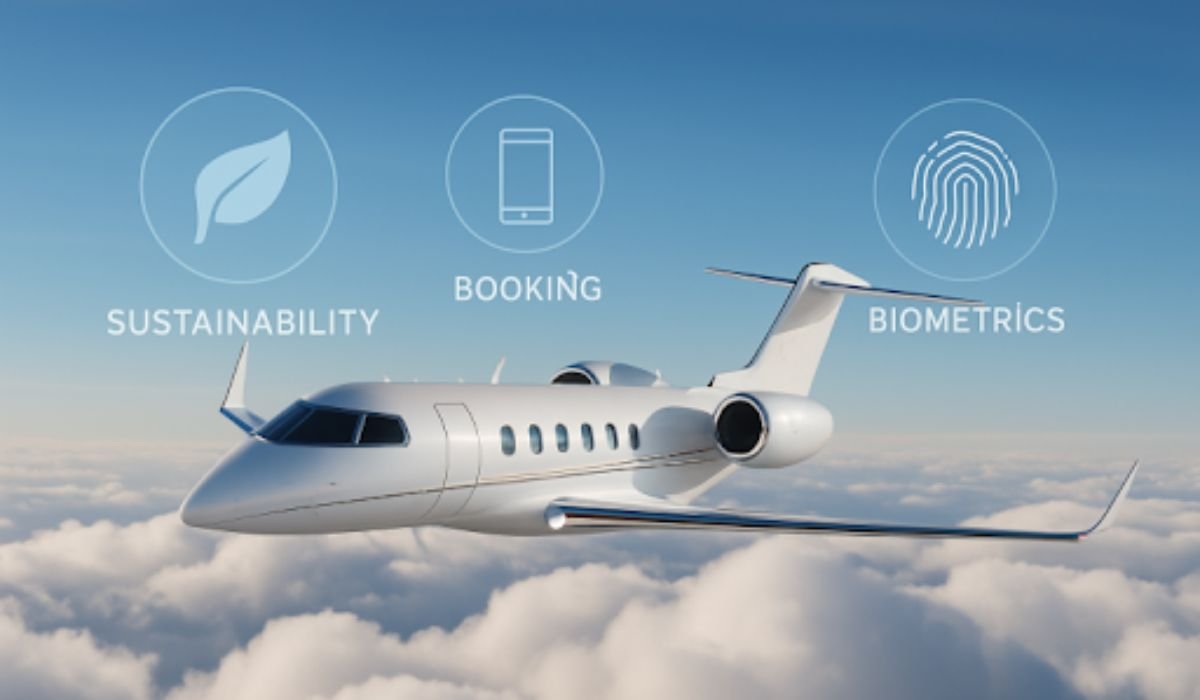
Private air travel is undergoing a dynamic transformation today, as forward-thinking technologies and sustainability initiatives shape the industry’s future. Operators and travelers alike are embracing flexible private flight solutions that prioritize convenience, safety, and a reduced carbon footprint. As private jet usage expands and trends accelerate, passengers can expect enhanced comfort, increased eco-friendliness, and personalized experiences on every flight.
This evolution is driven by a blend of consumer demand and industry innovation, from sustainable aviation practices to seamless digital booking processes. New technologies, efficient service models, and eco-conscious enhancements are converging to open up private aviation to a broader community. As both business and leisure travelers seek more efficient and responsive air travel, the focus is shifting increasingly toward elevated experiences and responsible practices that extend beyond traditional luxury. The following trends are at the forefront of these changes, transforming how travelers engage with private air travel.
The industry’s efforts align with broader goals in global transportation, ensuring that air travel remains not only a symbol of status but also a practical and conscientious choice for the future. Private jet companies are no longer just providers of exclusivity; they are partners in sustainability, digital innovation, and passenger satisfaction.
For a deeper understanding of how these innovations fit into the global travel landscape, consider perspectives from prominent industry publications that analyze the latest developments in private aviation.
READ ALSO: Liveaboard in the Maldives: A Complete Guide to Life Afloat in Paradise
A paramount shift in private aviation today is the widespread adoption of Sustainable Aviation Fuels (SAF). Produced from renewable resources like waste biomass and recycled oils, SAF can reduce lifecycle carbon emissions by up to 80% compared to standard jet fuels. With pressing climate goals and increasing regulation, private jet operators are under significant pressure to decarbonize. As a result, SAF use is rapidly expanding, not only lowering the environmental impact but also meeting the demands of eco-conscious travelers and businesses. Initiatives around SAF are supported by collaborative efforts between airlines, manufacturers, and fuel suppliers, as highlighted recently by Forbes.
Digital transformation is making private aviation more accessible through on-demand charter platforms. These online booking services allow travelers to quickly compare aircraft options, review pricing, and arrange flights on short notice, all with the convenience of modern apps or web platforms. This shift is democratizing private jet travel, appealing to business leaders, leisure travelers, and families seeking flexibility and transparency. Instant quoting, user reviews, and simple digital interfaces are replacing more opaque, time-consuming booking processes of the past. This movement towards greater accessibility is paving the way for new entrants and a more diverse passenger base.
Artificial Intelligence (AI) is optimizing nearly every facet of private jet travel. Predictive maintenance tools analyze extensive aircraft data to anticipate and prevent equipment failures, dramatically reducing unplanned downtime. AI-driven route optimization yields more efficient flight paths, thereby minimizing fuel consumption and delays. Furthermore, automated scheduling and crew assignments enhance operational efficiencies, ensuring both cost savings and superior service. These enhancements bring peace of mind to both operators and passengers, promoting a safer and more reliable flight experience. As observed by Forbes, AI’s role is only set to grow larger throughout the air travel ecosystem.
The rise of Urban Air Mobility (UAM) marks a disruptive shift towards rapid, sustainable commuting in and around major metro areas. Electric vertical takeoff and landing (eVTOL) aircraft are being piloted and adopted in several global cities, promising to alleviate congestion and significantly reduce ground transit times. These battery-powered “air taxis” are expected to offer quick, point-to-point flights between downtown hubs, airports, and suburban locations. UAM not only showcases innovative transport solutions but also reflects the industry’s broader push toward zero-emission travel and urban connectivity.
The expectations of elite travelers have spurred a renaissance in in-flight entertainment. Private jets feature immersive augmented reality (AR) and virtual reality (VR) platforms, transforming cabins into interactive environments. Passengers can enjoy cinematic VR, streamed content, live gaming, or even virtual meetings at 40,000 feet thanks to ultra-fast satellite Wi-Fi. Customizable soundscapes, smart device integration, and advanced audio systems further elevate the in-flight experience. As reported by Forbes, the competition for premium passenger attention is driving continual upgrades in entertainment options.
Security and convenience are converging through biometric technology in private airports and FBOs (fixed-base operators). Facial recognition, iris scans, and fingerprint verification streamline check-ins, security clearances, and even boarding procedures. These systems drastically reduce wait times while maintaining the highest standards of passenger safety. The integration of biometrics is part of a trend toward seamless, touchless travel, ensuring a smooth journey from door to destination and reducing reliance on physical documents.
Today’s private jet travelers expect—and receive—bespoke service. Jets can be tailored to exact passenger specifications, from interior decor and seat configuration to personalized menus and curated amenities. Dedicated concierge teams anticipate individual preferences, ensuring that every aspect, including ground transportation and in-flight entertainment, is tailored to provide the ultimate experience. Data analytics drive this personalization, enabling service teams to deliver on both stated and unspoken needs, while reinforcing privacy, luxury, and a sense of exclusivity.
The private aviation industry today is setting new benchmarks in sustainability, technology, and passenger satisfaction. With a far-reaching focus on SAF, digital booking, AI, UAM, and tailored experiences, private jet travel is evolving into a model for responsible, future-oriented, and highly luxurious air mobility. As the adoption of these innovative trends continues, travelers can look forward to a more thoughtful, cleaner, and even more rewarding journey among the clouds.
YOU MAY ALSO LIKE: Experience La Dolce Vita: A Guide to Luxury Villas in Italy with Le Collectionist
 Prime Star