 By Prime Star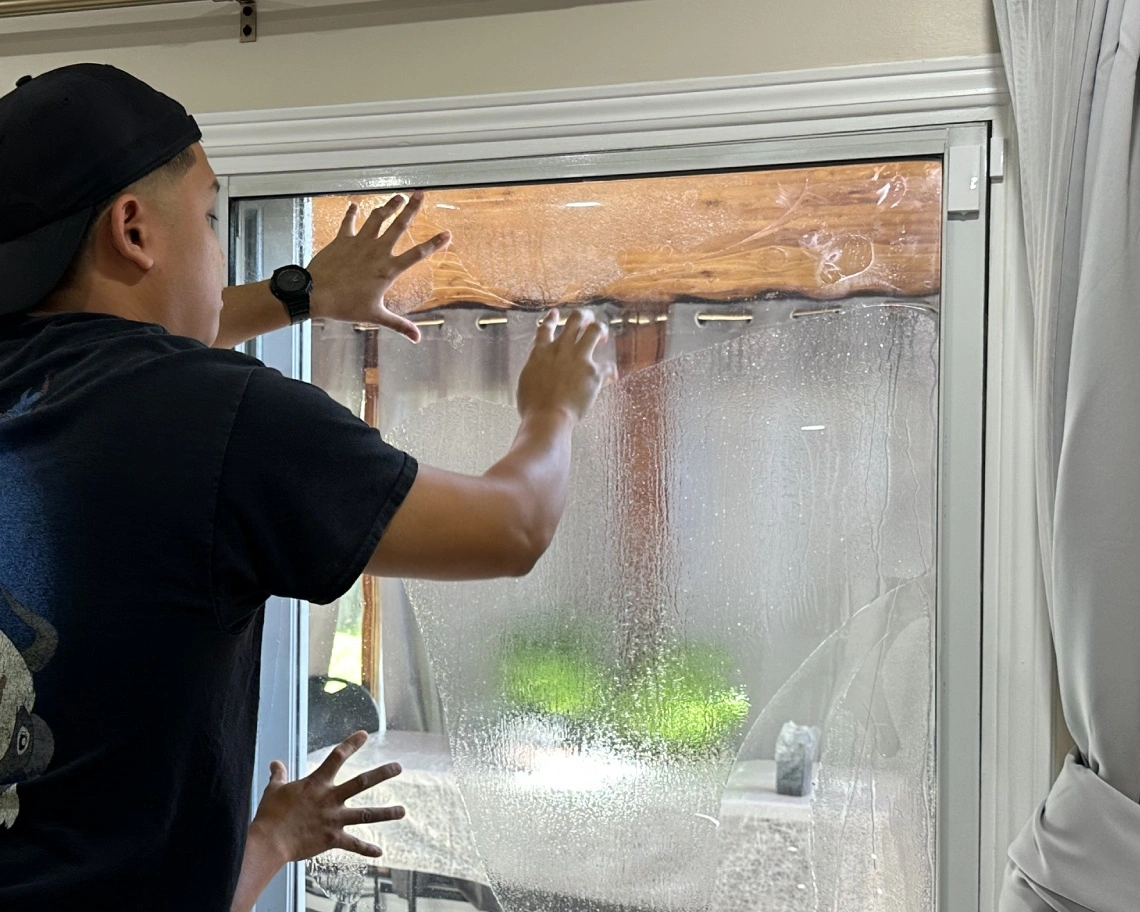
Glass is one of the most vulnerable parts of any building. It brings in light, provides visibility, and creates openness,but it also represents a point of entry and a point of risk. For property owners and facility managers exploring options like 3m security film calgary, the goal is rarely to make glass indestructible. It’s to make it safer, stronger, and more resilient in situations where glass would otherwise fail.
Security window film doesn’t replace glass. It reinforces it. Installed correctly, it transforms how glass behaves under pressure,whether that pressure comes from accidental impact, attempted break-ins, or environmental stress. Understanding how it works helps clarify why it’s become a common solution in both commercial and residential settings.
Security window film is less about appearance and more about performance. It quietly strengthens one of the most exposed parts of a building.
At its core, security window film is a clear, durable layer applied directly to existing glass surfaces.
The film is typically made from multiple layers of polyester combined with strong adhesives. Once applied, it bonds tightly to the glass surface. While it doesn’t prevent glass from cracking, it helps hold shattered pieces together when impact occurs.
This containment changes how glass behaves. Instead of breaking into dangerous shards, the glass remains largely intact within the film layer.
One of the key advantages of security film is that it doesn’t significantly alter the appearance of windows. Most films are optically clear, allowing natural light and visibility to remain unchanged.
This makes them suitable for:
- storefronts
- offices
- schools
- homes
- public buildings
Security can be improved without sacrificing openness.
Security film isn’t meant to make glass unbreakable. Instead, it slows down breakage and reduces hazards. That delay can make a significant difference in situations where time matters.
Strength doesn’t always mean resistance,it often means resilience.
Glass typically fails suddenly. Security film changes that response.
Standard glass can shatter quickly upon impact. The force disperses outward, sending sharp fragments in multiple directions. This can create safety risks and immediate access points.
With security film installed, the glass may still crack under force,but the film holds the fragments together. Instead of collapsing instantly, the pane remains in place.
This containment:
- reduces flying debris
- slows entry
- maintains a barrier
Even a brief delay can deter intrusion or allow time for response.
The layered structure of security film helps absorb and distribute impact energy across the surface. This reduces the likelihood of glass breaking apart immediately.
Impact becomes a process rather than a single moment.
While often associated with break-in prevention, security film supports multiple safety goals.
In environments where accidental impact is possible,such as schools, gyms, or busy commercial spaces,security film helps reduce the risk of injury from shattered glass.
When glass stays together, the chance of sharp fragments causing harm decreases.
High winds, debris, and sudden pressure changes can stress glass. Security film helps hold glass in place during these events, reducing the risk of fragments scattering.
This added stability can limit damage and improve safety during severe weather.
Some security films also offer:
- UV protection
- glare reduction
- privacy enhancements
While not all films include these features, the technology allows for combinations that support both safety and comfort.
Function can extend beyond reinforcement.
Security film works best when installed correctly.
For proper adhesion, the glass surface must be thoroughly cleaned and prepared. Dust, residue, or imperfections can affect bonding strength.
Professional installation ensures:
- even application
- correct alignment
- proper curing
Precision affects performance.
In some cases, security film is paired with edge attachment systems that anchor the film to the window frame. This helps maintain containment even under significant force.
Edge attachment increases the film’s ability to hold glass in place.
Once installed, security film requires little maintenance. Standard cleaning methods typically suffice, and the film remains durable over time when properly cared for.
Its presence becomes almost invisible in daily use.
No security measure eliminates risk entirely. The goal is to reduce vulnerability and increase resilience.
In many situations, slowing down forced entry can deter attempts altogether. Intrusions rely on speed and ease. When glass doesn’t fail immediately, it creates hesitation.
Time becomes a protective factor.
Security film works best as part of a broader safety approach. It complements alarms, locks, and monitoring systems by reinforcing a common point of entry.
Each layer contributes to overall security.
Installing security film is a proactive step. It doesn’t respond to an incident,it prepares for one. That preparation can make spaces feel more stable and secure.
Prevention often feels quiet, but its impact is significant.
Security window film is a subtle but effective way to reinforce glass. It doesn’t change how windows look or function day to day, but it changes how they perform under stress.
By:
- holding shattered glass together
- reducing injury risk
- slowing forced entry
- supporting structural resilience
security film improves safety without altering visibility or design.
Glass will always remain a vulnerable material. But with the right reinforcement, it becomes far less fragile.
Security window film doesn’t eliminate risk,it manages it. And in environments where safety matters, that added resilience can make a meaningful difference long before it’s ever tested.
 Arthur
  Siam
Siam