 By Siam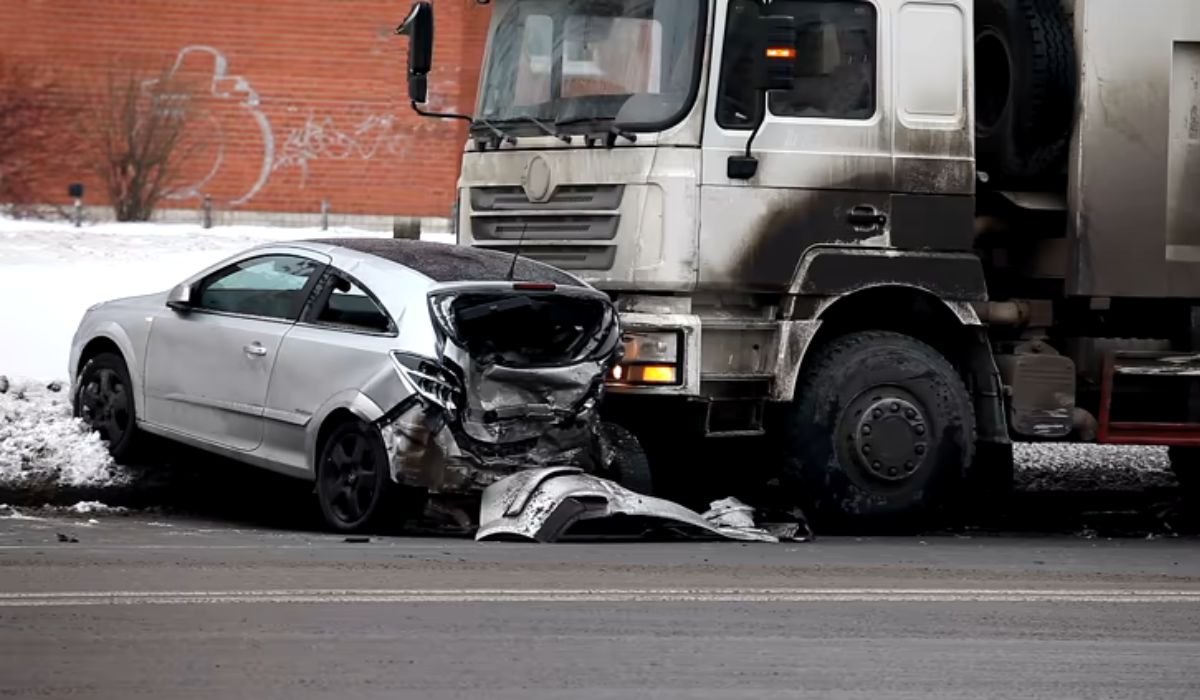
Commercial vehicle accidents remain a serious concern for road safety, affecting not just truck drivers but also countless other motorists. Every year, thousands of collisions involving large trucks and buses result in severe injuries, significant property damage, and lasting consequences for families and businesses. These large vehicles are vital to the economy, transporting goods and people across cities, states, and countries; however, their size and weight mean that even minor mistakes can escalate into major incidents. While government agencies enforce numerous safety standards, individuals and companies must assume responsibility for proactive accident prevention. Developing a deep understanding of safety protocols and the reasons behind them is crucial for everyone involved. Seeking guidance from a semi truck accident attorney can also be invaluable for understanding legal rights and preventive measures after an incident. An attorney can help mitigate risks, guide you through the aftermath of a crash, and offer insights on safer day-to-day practices.
Whether you operate a commercial fleet, drive a truck for a living, manage a logistics company, or simply share the road with these vehicles daily, adopting best practices is essential. Preventing commercial vehicle accidents comes down to knowledge, preparation, and the consistent application of safety measures by everyone on the road. Regular training, vigilant observation, and a willingness to put safety first can mean the difference between an ordinary day and a life-changing event. All drivers play a critical role in making roads safer for everyone, passengers, commercial drivers, and pedestrians alike.
Large trucks and buses have unique visibility limitations compared to passenger vehicles. These visibility gaps, often called “No Zones,” are expansive blind spots where crashes are most likely to occur. Due to the height and length of commercial vehicles, mirrors cannot cover every angle, leaving certain areas virtually invisible to the driver. Key areas to watch for include:
- The space directly in front of the commercial vehicle, where the driver cannot see cars or obstacles, is especially dangerous during stops and turns.
- The area directly behind is dangerous for truck drivers, who have no rearview mirror to monitor tailgaters or lane changes, and for cars that follow too closely.
- Both sides of the vehicle, particularly on the right, can obscure entire cars or motorcycles from the driver’s view, increasing the risk during lane changes or wide right turns.
Avoiding extended periods in these zones reduces the risk of collision during lane changes or sudden stops. The National Highway Traffic Safety Administration advises giving commercial vehicles extra room and avoiding abrupt maneuvers near them. Clear signaling and maintaining a safe distance can save lives and prevent the chain reaction of multi-vehicle accidents that often occur with larger vehicles.
Defensive driving is more than reacting to what happens on the road; it is about anticipating hazards and strategically minimizing risks before they escalate. For commercial drivers, this means staying vigilant and attentive throughout every trip. Key defensive driving steps include:
- Maintaining a safe following distance at all times, especially in adverse weather or heavy traffic, allows for more reaction time if the vehicle ahead stops suddenly.
- Staying alert to changing road and traffic conditions, adjusting speed as necessary, and preparing for unexpected events such as construction zones, sharp curves, or sudden stops.
- Respecting posted speed limits and statewide regulations that govern commercial vehicles, as they can differ by state or municipality, and often include lower speed limits for trucks.
Employers can foster defensive driving habits through regular safety training, on-the-road coaching, and by reinforcing best practices during performance reviews. Simulated driving programs and feedback from in-vehicle monitoring can provide valuable insights into driver behavior and create opportunities for continuous improvement.
A high percentage of commercial vehicle accidents are caused by preventable equipment failures, many of which result from overlooked maintenance issues. Instituting a routine maintenance schedule is essential for early detection of problems such as:
- Worn brake pads or malfunctioning brake systems can increase stopping distances and make emergency braking less effective
- Underinflated or damaged tires with reduced tread depth increase the risk of blowouts or skidding, especially in adverse weather conditions
- Non-functioning headlights, turn signals, and brake lights reduce visibility and communication with other drivers on the road
The Commercial Vehicle Safety Alliance recommends comprehensive pre-trip inspections to ensure all equipment meets federal safety standards. These routine checks should cover all major vehicle systems, from engine components to lights and emergency exits. In addition, keeping detailed maintenance records not only improves safety but also proves valuable in case of insurance claims or legal action. Fleet managers should implement clear maintenance protocols and swift response plans for reported faults, prioritizing quick repairs to keep everyone safe.
Technology continues to rapidly reshape commercial vehicle safety. Modern trucks are increasingly equipped with cutting-edge features such as Automated Emergency Braking Systems (AEBS), which automatically apply the brakes when a potential crash is detected, even if the driver is distracted. These systems, often paired with collision-avoidance sensors, adaptive headlights, electronic stability control, and lane-departure alerts, significantly reduce the likelihood and severity of accidents. Real-time telematics and GPS tracking can also provide valuable data on driver habits and road hazards. Studies by the Insurance Institute for Highway Safety show that fleets adopting these technologies experience fewer rear-end crashes and lower-cost claims, making them a worthwhile investment for safety and efficiency.
Clear, enforceable safety policies set organizational expectations and hold drivers accountable. Effective policies should include:
- Detailed codes of conduct outlining acceptable driving behaviors, from speed limits to protocols for handling fatigue or severe weather
- Step-by-step accident response protocols and incident reporting procedures, providing clarity in stressful situations
- Defined consequences and disciplinary actions for policy violations to ensure consistency and reinforce the seriousness of safety commitments
Comprehensive safety policies should be reviewed and updated regularly to reflect changes in state regulations, company priorities, and technological advancements. Ongoing communication through meetings, bulletins, or digital portals helps ensure all drivers understand and adhere to current guidelines. Providing access to the latest safety updates and involving drivers in the process often leads to stronger policy adoption and higher morale.
Fatigue and health problems are significant contributors to commercial vehicle accidents, as long hours on the road can wear down even the most experienced operators. Proper scheduling can ensure drivers receive sufficient rest between shifts and breaks during long trips. Employers should encourage a healthy work-life balance by providing education on nutrition, sleep hygiene, and mental health resources. Simple strategies, such as ergonomic seating, access to exercise facilities, and educational workshops, can make a meaningful difference in driver alertness and reaction time. Programs that support mental well-being, such as stress management counseling or peer support groups, are valuable resources in maintaining long-term driver performance and satisfaction.
Creating an open environment where drivers can report hazards, near misses, or mechanical issues without fear of reprisal results in more proactive risk management. Organizations may use anonymous reporting systems or regular safety meetings to foster a culture of transparency and trust. Gathering and analyzing this feedback helps identify emerging threats, implement corrective actions, and encourages employee buy-in for broader safety initiatives. This ongoing dialogue is key for organizations aiming not only to comply with regulations, but also to exceed them in creating safer workplaces and roadways.
Preventing commercial vehicle accidents starts with individual driver awareness, robust organizational policies, and a commitment to continuous improvement. The combined effect of high standards, advanced training, and cutting-edge technology protects not just commercial drivers but everyone sharing the road. By following these safety tips and using available resources, companies and drivers alike contribute to safer travel and reduced preventable tragedies.
 Arthur