 By Siam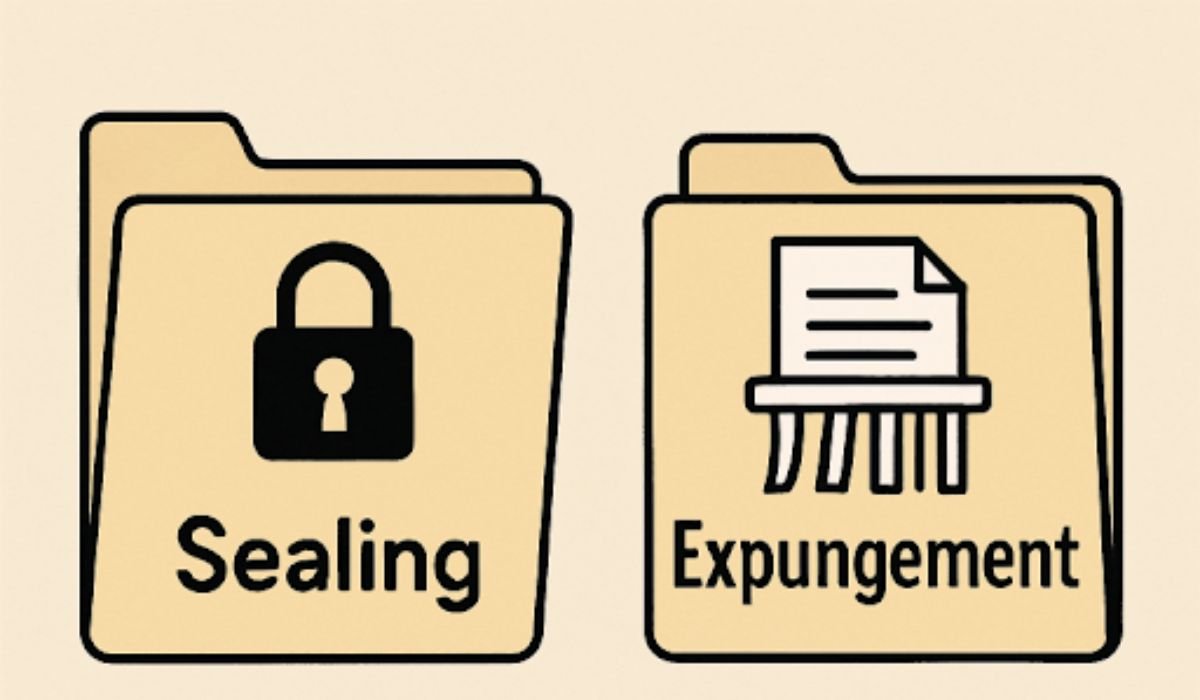
Having a criminal record can pose ongoing challenges, including limitations on employment and difficulties securing housing. For individuals seeking a fresh start in Colorado, two options often emerge: record sealing and expungement. Understanding the differences and opportunities presented by each process is crucial to making informed decisions about your future. If you are considering how to move forward, visiting resources like martinlawfirmpc.com can help clarify your options and connect you with professional assistance.
Colorado’s laws provide mechanisms to limit public access to certain criminal records, which can open doors to personal and professional opportunities previously closed by a conviction or arrest history. However, the eligibility requirements and legal implications of sealing or expunging a record differ significantly, and knowing which may apply to your unique circumstance is key.
In Colorado, record sealing and expungement serve to restrict access to criminal records, but they do so in different ways. Record sealing makes the record invisible to most of the public, such as employers or landlords, while it remains accessible to law enforcement and certain state agencies. On the other hand, expungement refers to the actual destruction of certain juvenile court records. Once expunged, the records are treated as though they never existed.
Expungement is generally reserved for juvenile offenses and some rare cases involving mistaken identity or arrest records with no charges filed. Sealing, however, applies more broadly to qualifying adult offenses, including specific convictions, dismissals, acquittals, and cases that are not filed.
The primary distinction between these two remedies lies in their legal effect. Sealed records are hidden from typical background checks, but still exist and may be accessed under limited circumstances, such as by law enforcement or for purposes of federal background checks. Expunged records, conversely, are destroyed and cannot be accessed by anyone, apart from very specific exceptions outlined by law.
Moreover, if you have sealed your record, you are generally allowed to answer “no” when asked about criminal history on most job and housing applications. For expunged juvenile records, you are legally entitled to state that the criminal event never occurred.
Eligibility for either remedy is strictly defined. Sealing opportunities expanded in recent years but are still limited to specific types of offenses. Certain convictions, such as most violent crimes, DUIs, and sexual offenses, are never eligible for sealing. Cases that ended in dismissal, acquittal, or where charges were never filed can often be sealed much more easily.
For expungement, eligibility is primarily restricted to juvenile records. Juvenile offenses not involving crimes of violence or sex offenses may be expunged if statutory conditions are met, which often include a waiting period and the completion of any sentence. Adult criminal records can only be expunged in very rare cases, such as mistaken identity arrests.
Applying to seal a record in Colorado involves filing a petition with the court that heard the case. The process usually includes paying a filing fee, notifying prosecutors, and waiting for a court hearing. Victims or district attorneys may object to sealing, at which point a judge decides if the public benefit outweighs the need for privacy.
Expunging a juvenile record requires a separate petition. This usually involves demonstrating that the statutory conditions have been met, and upon approval, law enforcement and other agencies must remove and destroy the records. Legal assistance greatly increases the likelihood of success and ensures that paperwork and procedures are handled correctly.
Sealing a record can significantly improve your job prospects and rental opportunities, and can remove public stigma. However, sealed records may still surface in some government background checks or for future criminal charges. Expungement offers stronger protection since the record is permanently deleted, but as it is largely restricted to juveniles, fewer people qualify for this benefit.
Neither process entirely erases your history in the context of immigration, federal employment, or certain professional licensing applications. It is also important to understand that the process can be complex and errors in filing can lead to delays or denials.
Because the legal landscape for criminal record relief changes frequently and each case is unique, the guidance of an experienced attorney can be indispensable. A knowledgeable lawyer can help determine which remedy fits your circumstances, navigate the legal process, and maximize your chances of a successful outcome.
Taking proactive steps to limit access to your criminal record can empower you to rebuild your future free from many of the burdens of a past mistake. Learning about the differences between record sealing and expungement in Colorado is the first step toward opening new opportunities for yourself and your family.
 Arthur