 By Arthur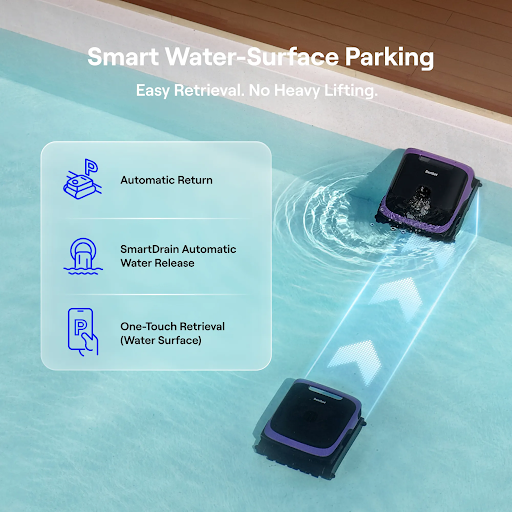
A few leaves in the pool are normal. A full layer of leaves after a windy night is different. During heavy leaf drop, your pool is not dealing with light weekly debris. It is dealing with wet, heavy organic material that can quickly fill the skimmer basket, slow water flow, clog the pump basket, and push the main filter harder than it should work.
This is why leaf season needs a different cleaning strategy.
If you simply turn on the pump and expect the system to pull everything in, you may create more problems than you solve. Large piles of leaves can block suction, reduce circulation, and leave the pool looking worse once leaves begin to sink and break down. Decaying leaves may also affect water clarity, leave stains, and increase the demand on sanitizer.
The goal is not to make the filter work harder. The goal is to keep as much leaf debris as possible out of the filter system in the first place.
The best time to remove leaves is while they are still floating. Use a leaf net in the morning, after windy weather, and during peak leaf drop. If leaves stay on the surface too long, they will become waterlogged and sink to the floor, where removal takes more time and effort.
A flat skimmer net is fine for light debris. But when the pool is covered with leaves, a deep leaf rake is usually more useful. It can hold more debris and makes it easier to lift wet leaves without pushing them toward the skimmer.
If the pool surface is packed with leaves, do the first cleanup by hand before turning on the pump. This helps prevent the skimmer and pump basket from swallowing more debris than they can handle. Once the large leaf load is reduced, circulation and automatic cleaning can work more safely and efficiently.
During normal weeks, checking baskets once or twice may be enough. During leaf season, that schedule may not work. If trees are dropping heavily, check skimmer baskets daily, and sometimes more than once a day after wind or rain.
The pump basket is another important defense point. If leaves pass the skimmer and reach the pump basket, water flow can slow down. Waiting until flow drops is risky because the system may already be under stress.
A rising pressure gauge, weak return flow, or slow surface movement can mean baskets or the filter are overloaded. Before assuming the water needs more chemicals, check whether leaves and debris are blocking circulation.
For families comparing pool cleaners, this is the key lesson: heavy leaf cleanup is not just about picking a device. It is about protecting the full pool system from being overwhelmed by debris.
| Cleanup step | Best time to do it | What it protects |
| Sweep or blow leaves away from the pool deck | Before wind or rain pushes them into the water | Reduces total leaf load entering the pool |
| Skim the water surface with a leaf net | Before turning on the pump after heavy leaf fall | Protects skimmer basket and pump basket |
| Use a deep leaf rake for settled leaves | When leaves have already sunk to the floor | Reduces filter clogging and staining risk |
| Empty skimmer and pump baskets | During and after leaf cleanup | Maintains water flow and circulation |
| Run a robotic cleaner after large leaves are removed | After manual leaf removal is complete | Handles remaining debris without overloading the main filter |
| Test and balance water | After debris cleanup and circulation | Helps correct chemistry changes from organic debris |
The order matters. Try to keep leaves in the net, rake, baskets, or robot filter instead of sending them into the main filter.
Beatbot Sora 70 fits best as a second stage cleaning tool during heavy leaf drop season. After a windy night or a big leaf fall, the first job should still be manual: remove large piles of leaves, twigs, and bulky debris with a leaf net or leaf rake. That protects the skimmer, pump basket, and main filter from taking on too much at once.
Once the big leaf load is reduced, Sora 70 can help with the mess that remains. It is useful for handling leftover leaves on the water surface, pollen, small insects, fine dirt that settles on the floor, and residue around the waterline or shallow areas. That makes it more practical for leaf season than a cleaner focused only on the pool floor, because leaves usually start on the surface before they sink.
For homeowners comparing the best pool vacuum robot, Sora 70 is a good fit when surface debris is part of the problem. Still, it cannot replace hand removal of heavy leaf piles, branches, stones, toys, or sharp objects. It also cannot replace skimmer, pump, or filter maintenance, chlorine and pH testing, or professional repairs. Its value is reducing repeated skimming and vacuuming after the largest debris has already been removed.
If branches hang directly over the water, the pool will always be fighting falling leaves. Careful trimming can reduce the load, especially before peak leaf season. The goal is not to remove every tree, but to reduce the amount of debris falling straight into the pool.
A pool cover can help when the pool is not in use, especially during a short period of intense leaf fall. But covers need attention too. If leaves pile up on the cover, remove them before rain makes them heavy or before they slide into the water.
Leaves on the deck often become leaves in the pool. A quick sweep before rain, storms, or windy weather can prevent a lot of cleanup later. This is one of the simplest ways to reduce filter stress.
Leaves are not only a clogging problem. They are organic debris. When they break down in the water, they can affect clarity, increase sanitizer demand, and leave stains. After a heavy leaf event, test chlorine, pH, and alkalinity once the debris is removed and the water has circulated.
Do not try to solve a leaf problem only by adding chemicals. If leaves are still on the surface, settled on the floor, or packed in baskets, chemical adjustment will not fix the root issue. Physical removal comes first. Water testing comes next.
If water stays cloudy, stains appear, or algae begins to show after cleanup, it may be time to get professional pool service involved.
Heavy leaf drop does not have to turn into a filter emergency. The best strategy is layered: clear the deck, skim the surface, use a leaf rake for heavy piles, empty baskets often, run a robot only after large debris is removed, and test the water after cleanup.
This approach keeps leaves from overwhelming the pool system. It also makes backyard life easier for families. Instead of spending the whole weekend fighting clogs and cloudy water, you can stay ahead of the mess with small, timely steps.
A cleaner pool in leaf season is not about forcing the filter to do everything. It is about stopping the biggest debris before it ever gets there.
 Siam
Siam