 By Siam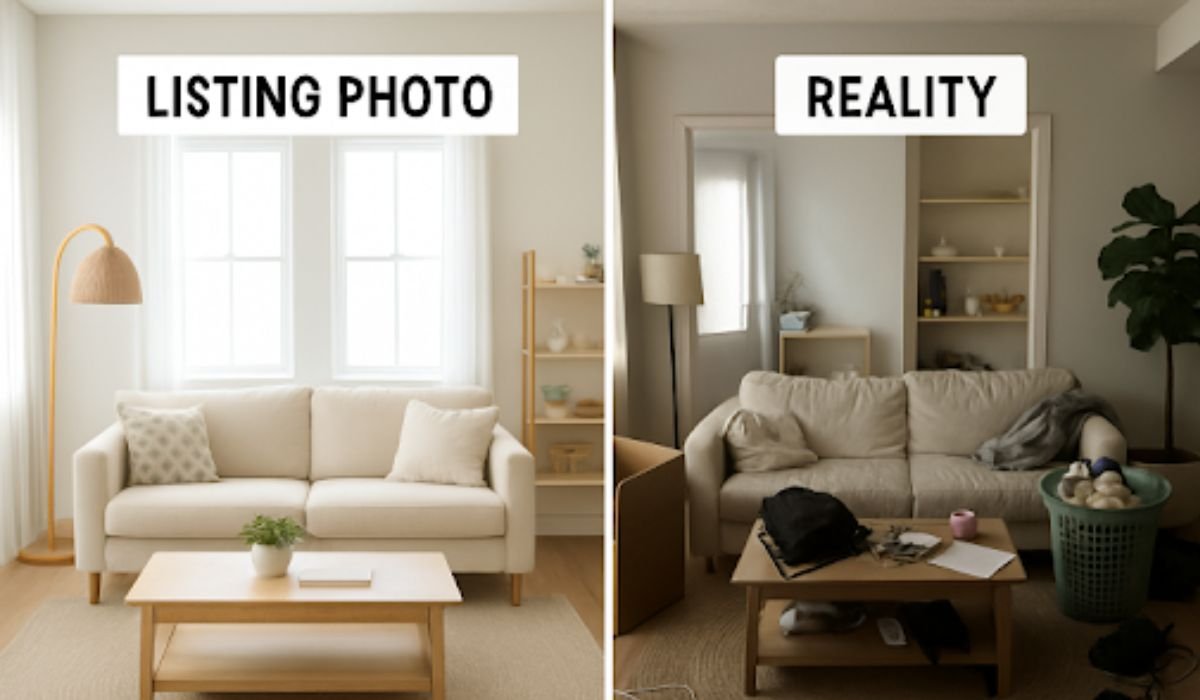
When you’re searching for a new home, the online listing photos are usually the first thing that grabs your attention. They offer a glimpse into what could be your future property, showcasing enticing spaces and inviting designs. However, relying solely on these images can lead to disappointment, as they often don’t reveal the whole story. To make a confident investment, it’s essential to look beyond the polished frames and delve deeper into what a property truly offers. For homebuyers seeking expert guidance, Peoria AZ real estate expert John Rowan emphasizes the importance of evaluating every aspect of a property, not just its appearance in photos. Polished photos can boost a property’s appeal but may conceal flaws, making careful evaluation essential. Assessing the home’s condition, neighborhood, and key systems helps you make informed decisions and avoid costly surprises. This guide outlines the critical steps for a thorough property assessment, from in-person inspections to using technology and expert support.
Listing photos are carefully curated to showcase a property’s best features. Agents and sellers often use wide-angle lenses to make rooms appear more spacious and adjust lighting to create a warm, welcoming effect. Digital enhancement tools can remove blemishes or color-correct surfaces, sometimes masking issues such as cracks, stains, or poor natural lighting. Buyers should be aware that while these images set the stage, they may not accurately represent the property’s actual condition. Over-edited images can mislead buyers, which is why a critical eye is essential when browsing listings.
No matter how promising a property appears online, an in-person inspection is irreplaceable. During your visit, take a close look at aspects that photos can miss or disguise:
- Inspect for signs of wear, such as chipped paint, loose tiles, and creaky floors.
- Test the function of major appliances, plumbing, and electrical systems to ensure everything works as expected.
- Pay attention to the sizes and proportions of rooms compared to your expectations from the photos.
- Notice the quality and flow of natural light in each room.
By thoroughly evaluating each space, you can identify any maintenance needs or potential deal-breakers early in the process.
Real estate is as much about location as it is about property features. When you visit, take time to explore the surrounding area:
- Assess the proximity to key amenities such as grocery stores, parks, schools, and transit lines.
- Observe the street’s traffic and noise levels at different times of the day, including evenings and weekends.
- Take note of the neighborhood’s general upkeep—sidewalk conditions, landscaping, and the presence (or absence) of litter and graffiti can reveal a lot about the area’s character and desirability.
- Consider the safety of the neighborhood by checking local crime rates or speaking with residents.
Making multiple visits at varying times will help you get an accurate sense of the neighborhood’s energy and what daily life might be like there.
Evaluating the home’s structure goes beyond what meets the eye. Look for evidence of foundational cracks, uneven flooring, or settling—signs that may indicate more serious and costly issues. Check for water stains or dampness around the basement, attic, and bathrooms, which may indicate hidden leaks or mold problems. Inspect the roof from ground level, if possible, and examine the gutters, downspouts, and exterior finishes for signs of wear or damage. These checks can reveal neglected maintenance or indicate the likelihood of upcoming repairs.
Think about your investment’s long-term prospects. Properties located near upcoming infrastructure projects or within highly rated school districts generally hold or increase their value over time. Review the area’s historical price trends and demographic data, and learn about any planned developments that could positively or negatively impact property values. Factors such as accessibility, public amenities, and future commercial growth should all be considered to ensure a wise investment choice. Choosing the right neighborhood can significantly influence resale value.
A professional home inspection is one of the most critical steps in the evaluation process. Certified inspectors are trained to identify problems that may not be apparent to the untrained eye, such as electrical hazards, plumbing issues, or concealed pest damage. An independent appraisal will confirm whether the asking price aligns with current market values based on similar local sales, helping you avoid overpaying and giving you leverage in negotiations.
New technologies are enhancing the way buyers evaluate properties. Tools ranging from virtual 3D tours to artificial intelligence-powered image analysis can provide deeper insight into property attributes and values. Deep learning systems can even predict the hidden potential or required work on a property based on image patterns and neighborhood data. These additions to your toolset can supplement traditional evaluation methods, providing a holistic understanding before moving forward.
Evaluating a property comprehensively means considering much more than just its online presence. By taking time for in-person inspections, reviewing neighborhood characteristics, assessing structural integrity, and seeking professional input, you can make a real estate decision that serves your long-term interests. Remember, the actual value of property lies in its quality, context, and prospects—not just the highlights in a photo gallery.
Buying a home is a significant investment, and relying solely on listing photos can leave buyers vulnerable to surprises. By combining on-site evaluations, neighborhood research, structural assessments, professional inspections, and modern technology, you gain a complete picture of a property’s actual value. This well-rounded approach not only protects your finances but also ensures confidence in your purchase. With careful diligence and expert guidance, you can select a home that aligns with both your current needs and long-term objectives.
 Arthur