 By Arthur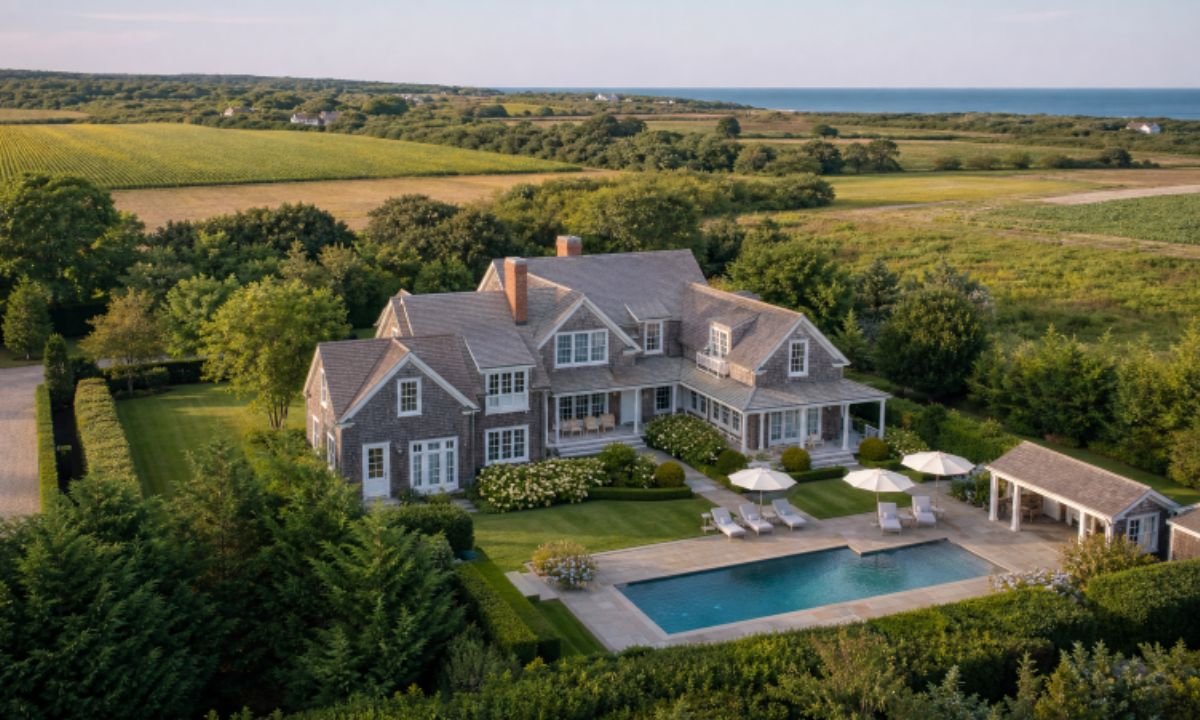
- Choose a property based on its intended use, not only its summer appeal.
- Compare communities based on daily routines, access, privacy, and year-round services.
- Budget for taxes, insurance, maintenance, utilities, and future improvements alongside the purchase price.
- Investigate flood exposure, septic systems, wetlands, permits, and certificates of occupancy before making an offer.
- Verify rental rules directly with the applicable town or village before relying on rental income.
A Hamptons home can be a weekend refuge, a full-time residence, a gathering place for family, or a property with rental potential. In each case, a successful purchase begins with a clear picture of how life on New York’s East End will actually work in July, January, and every season in between.
When comparing Hamptons homes for sale, buyers can use Susan Breitenbach’s The Corcoran Group-affiliated page to review properties for sale and rent, explore a listings map, and compare communities including East Hampton, Southampton, Bridgehampton, Amagansett, Montauk, and Sagaponack. That local market focus is valuable because The Corcoran Group is an established residential brokerage brand. At the same time, the page helps buyers see how property styles and locations differ across the South Fork.
Ocean air, mature hedges, pool terraces, and shingle-style architecture can make a property feel immediately compelling. Yet the details behind the listing often determine whether it remains enjoyable and manageable over time. A home’s distance from the beach, its road access, lot configuration, utility systems, exposure to wind, and proximity to village amenities all influence ownership.
The Hamptons is not one uniform market. A quiet house near farmland may suit a buyer seeking privacy, while a smaller property close to Sag Harbor or East Hampton Village may be a better fit for frequent weekend use. The right choice depends on the life the buyer wants to lead after closing.
Before touring seriously, decide which role the home will play. A summer retreat may prioritize outdoor dining, guest rooms, beach access, and easy opening and closing for the season. A year-round residence calls for a closer look at heating, internet reliability, grocery access, medical services, and winter driving.
Buyers considering an investment component should treat rental income as a possibility to investigate, not a guaranteed offset to carrying costs. Future retirees may place greater weight on single-level living, walkability, manageable grounds, and access to essential services.
For example, a buyer who visits from New York City twice a month may prefer a compact home near a village to a larger estate that requires a longer drive, extensive landscaping, and regular coordination with contractors. Size is only valuable when it supports the intended lifestyle.
- East Hampton combines beaches, village shops, restaurants, and an established year-round community.
- Southampton offers a broad range of housing settings, from village locations to larger properties near the water or open land.
- Bridgehampton is known for more spread-out settings, farm stands, equestrian activity, and larger parcels.
- Sag Harbor appeals to buyers who value a historic harbor setting and walkable village atmosphere.
- Amagansett offers a quieter coastal rhythm with beaches, farm country, and access to nearby East Hampton services.
- Montauk has a distinct outdoor and marina-oriented character, with surf, fishing, and open coastal scenery.
- Sagaponack is often associated with privacy, farmland views, and low-density estate settings.
Visit favored areas at different times of year and at different times of day. Summer traffic, weekend activity, winter quiet, and road conditions can each alter the experience of a particular street.
Beach proximity may provide the daily pleasure a buyer wants, but it can also increase exposure to wind, salt air, and flood-related risks. Buyers should use the FEMA Flood Map Service Center to begin reviewing mapped flood information, then discuss the property’s specific insurance and elevation considerations with qualified local professionals.
Village-adjacent homes can reduce reliance on a car and make short stays easier. North-of-the-highway properties may provide more land, privacy, or a different price structure, but beach trips and errands can take longer. Waterfront homes offer views and recreational access but often require more careful review of shoreline conditions, drainage, environmental constraints, and maintenance needs.
List price is only the entry point. Create one budget for predictable annual expenses and another for occasional large costs. The first should include:
- Mortgage payments, lender fees, and property taxes.
- Homeowners, flood, wind, and umbrella insurance, as applicable.
- Utilities, security, landscaping, pool care, and snow removal.
- Routine repairs, seasonal inspections, winterization, and housekeeping.
The second budget should account for roof work, mechanical replacements, septic improvements, driveway repairs, pool equipment, drainage projects, and renovations. This comparison can make a turnkey home and a lower-priced renovation project easier to evaluate on equal terms.
A thorough inspection should cover the roof, siding, windows, heating and cooling systems, electrical components, moisture conditions, and visible drainage issues. Ask for records related to prior storm damage, insurance claims, permits, and completed renovations.
Also obtain and review a current survey, confirm boundary lines and easements, and have an attorney examine zoning, certificates of occupancy, and title matters. Septic systems, wells, wetlands, setbacks, clearing restrictions, pools, guesthouses, and accessory structures can all affect what an owner may repair, expand, or build later.
Rental regulations vary by jurisdiction, and village rules can differ from town rules. For example, the Town of Southampton rental permit guidance states that homes rented for any period require a permit and identifies a 14-day minimum stay under the town code. Buyers should confirm the rules that apply to the exact address, including registration requirements, occupancy limits, parking, safety standards, pool rules, and permit transferability.
Factor in management fees, cleaning, maintenance, marketing, insurance, and tax reporting before estimating net rental proceeds. A local attorney and tax professional can help clarify the consequences of personal and rental use.
Whether buying with cash, a jumbo loan, conventional financing, or second-home financing, request current terms before entering negotiations. Ask lenders how they evaluate insurance costs, reserves, rental income, and ownership through trusts or other entities. Keep funds available for deposits, inspections, insurance binders, closing expenses, and immediate repairs.
A capable buying team may include a local real estate agent, an attorney, a lender, an inspector, a surveyor, an insurance broker, an architect, and a tax adviser. Their roles overlap at important moments, especially when a property has a complex permit history or is undergoing a planned renovation.
- How long has the home been listed, and have prior contracts fallen through?
- Which improvements were completed recently, and are permits available?
- What are the annual taxes, insurance costs, and typical utility expenses?
- Has the property experienced flooding, storm damage, or drainage issues?
- Are all structures, pools, and finished spaces properly approved?
- What is included in the sale, and how does the property compare with recent nearby sales?
Confirm that the home fits your intended use, the community supports your routine, and the complete ownership budget feels sustainable. Have insurance, inspection, survey, zoning, rental, and financing questions addressed before contract deadlines arrive. In the Hamptons, careful preparation protects both the property’s lifestyle value and the flexibility to enjoy it for years to come.