 By Siam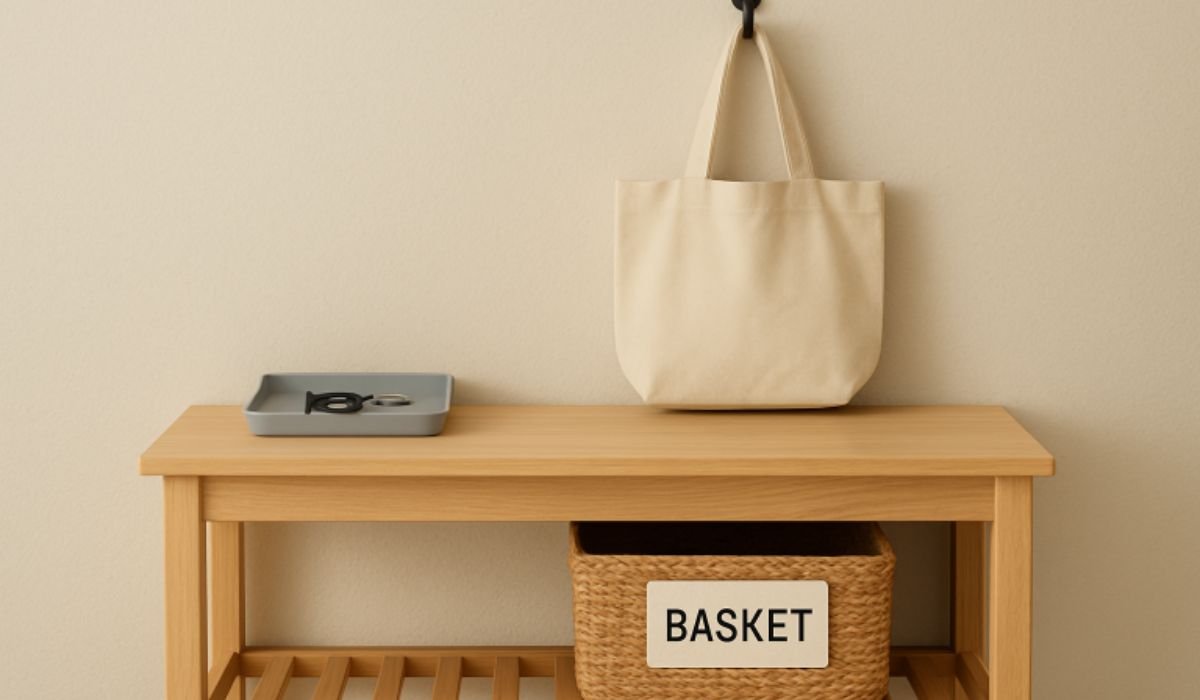
Staying organized doesn’t require complicated solutions or overwhelming routines. The reality is, most people can drastically improve their sense of control and reduce stress with straightforward, actionable changes. By focusing on the essentials, you can create a system that’s sustainable, realistic, and flexible for your lifestyle. Whether you’re managing a busy family household or looking for some calm in a tiny apartment, organization is within reach for everyone. For those seeking to streamline their day, these digital tips and organizational strategies will help you build habits that truly last and adapt naturally as your needs evolve.
From decluttering your environment to adopting small but powerful habits, this guide strips away the noise and delivers advice grounded in simplicity. Read on for actionable ways to cultivate order without getting lost in complex systems or endless to-do lists. We’ll explore practical steps and easy adjustments you can implement today, no matter your starting point or the size of your living space.
One of the fundamental rules of organization is ensuring each item in your space has a permanent home. This reduces clutter and eliminates the daily search for misplaced items, saving you frustration and precious minutes. Think about the things you use most frequently—keys, glasses, bags—and dedicate a consistent spot just for them. Common trouble spots, such as keys routinely tossed onto counters or mail stacked on tables, can become stress-free zones with simple designated baskets or trays. Modern organization ideas also suggest using vertical solutions—like wall-mounted hooks or over-the-door organizers—to maximize your storage without taking up precious square footage. By creating dedicated places for common items, you make it easier to return things after use, which is key to maintaining order over time.
Organizational experts recommend reviewing your storage systems every few months, especially during seasonal changes. This helps you keep up with evolving needs—for example, you might need to switch a winter coat closet into a space for rain gear during spring. Reassessing the “homes” you’ve established for your items ensures your system continues to serve you, keeping your daily routines smooth and efficient without added effort.
Consistency forms the backbone of any organized lifestyle. Establishing a daily routine not only aids productivity but also brings structure and predictability to your days. Block time for important tasks, like tidying up, preparing meals, or unwinding, so nothing essential slips through the cracks. Even a basic routine, repeated consistently, helps combat decision fatigue and makes life more manageable. The key is to create a flow that suits your natural rhythms and doesn’t require you to overhaul your schedule all at once.
Start with just a few regular touchpoints, such as making your bed each morning or spending five minutes in the evening preparing for the next day. As habits become easier, you can gradually build on them without feeling overwhelmed. Creating anchors in your routine, like a Sunday planning session or a midweek reset, gives you built-in opportunities to stay on track without micromanaging every moment.
Storage should simplify your life, not complicate it. Start small with baskets and bins to group similar items, think pantry snacks, crafts, or office supplies. Transparent containers make it easy to spot what you need, and labels prevent confusion (and mess) later on. This approach not only frees up space but also gives you a visual cue of what you have on hand, discouraging unnecessary purchases. Resist the urge to buy new containers before decluttering; only invest in supplies that solve a real problem in your space.
Additionally, make use of overlooked or underused areas in your home. The backs of pantry doors, gaps under the bed, and awkward corners can become prime storage real estate with a little creativity. By keeping your storage solutions simple and visible, you make it easier for everyone in the household to find and put away what they need, whether it’s laundry supplies, electronics, or kids’ toys.
Clutter often creeps in because we acquire more items than we eliminate. The “one-in, one-out” rule helps counteract this. Any time you bring a new item into your home, a shirt, book, or toy, let one old item go. This rule not only keeps clutter in check but also encourages you to be more thoughtful about what you purchase and keep. Practicing this consistently reduces impulsive buying and helps you maintain a balanced, intentional living space over time.
To make this habit stick, keep a donation box or bin accessible in a closet or near your entryway. When you’re ready to let something go, you can quickly set it aside for donation or recycling instead of shuffling it from room to room. Over time, you’ll notice that maintaining a comfortable, organized environment becomes almost automatic, and you’ll be less likely to hang on to things you no longer use or need.
Rather than waiting for the mess to accumulate and become overwhelming, schedule brief weekly decluttering sessions. Spend just 10 to 15 minutes at a time tidying a problem area, whether it’s a junk drawer, bathroom cabinet, or your entryway. These micro sessions can be surprisingly effective; over the course of several weeks, small efforts add up to major transformations. According to The New York Times’ decluttering guide, establishing these guilt-free “reset” times can help sustain progress in the long term.
One effective strategy is to tie your decluttering session to another regular activity, such as clearing your inbox every Friday before the weekend or tidying up after dinner. Pairing tasks this way makes decluttering less intimidating and ensures it becomes an automatic part of your lifestyle. Remember, the goal isn’t perfection, but consistency, so don’t worry if every session isn’t equally productive.
Convenience is key to staying organized. Storing items in the spots where they’re most often used shortens the time and effort required to maintain order. Keep cleaning products close to each bathroom, pots and utensils near the stove, and school supplies at your kids’ desks. By making it easier to put things away, you drastically reduce the temptation to leave them out, keeping your spaces clear day to day. This also helps everyone in your home know where to put things back, increasing teamwork and reducing frustration during busy times.
If you notice items frequently migrating to the “wrong” room, it may be a signal that their storage location needs to change. Adapt your system by placing everyday essentials within arm’s reach, particularly in shared spaces. The easier you make it to follow your own organization system, the more likely you are to stick with it—and the more harmonious your environment will feel.
It’s easy to fall into the trap of thinking another shelf or bin will instantly solve your organization’s woes. But more tools don’t always mean more order; in fact, they often become part of the clutter problem. Tackle decluttering first, and be honest about what you really need. Evaluate whether you truly need extra gadgets or whether your current solutions can be used more effectively to meet your needs.
Many people find that creative repurposing of existing items, like using jars as pencil holders or shoe boxes for craft supplies, works just as well as trendy new organizers. Remind yourself that organization is more about systems and habits than products. Prioritizing function over aesthetics ensures that your home stays neat without unnecessary spending or excess stuff getting in the way.
For appointments, reminders, and ever-changing task lists, digital tools are powerful allies. Calendar apps, task managers, and note-taking software all provide seamless ways to track your schedule and commitments. Unlike paper planners, digital tools are endlessly customizable and accessible from multiple devices, ensuring you stay organized even on the go. Find the apps and platforms that best match your workflow, whether that’s syncing family calendars or automating reminders so nothing is forgotten in a busy week.
Consider setting up shared grocery lists or household task boards for family members, making it easy to add or check off items from anywhere. Many digital platforms now include integrations with smart speakers or phones, so you can use voice commands to manage your lists hands-free. As your needs grow or change, take time to explore app features or try different tools until you discover the perfect fit for your lifestyle and preferences.
Organization doesn’t need to be complicated or stressful. Through simple routines, effective storage, consistent decluttering, and strategic use of technology, you can create a home and life that feel calm and manageable. Focus on building a straightforward system that works for you, and enjoy the benefits of a simplified, organized day-to-day experience. Most importantly, remember that small changes, done consistently, lead to big results, so even the tiniest organizational tweak can have a rewarding impact on your daily well-being.
 Arthur