 By Siam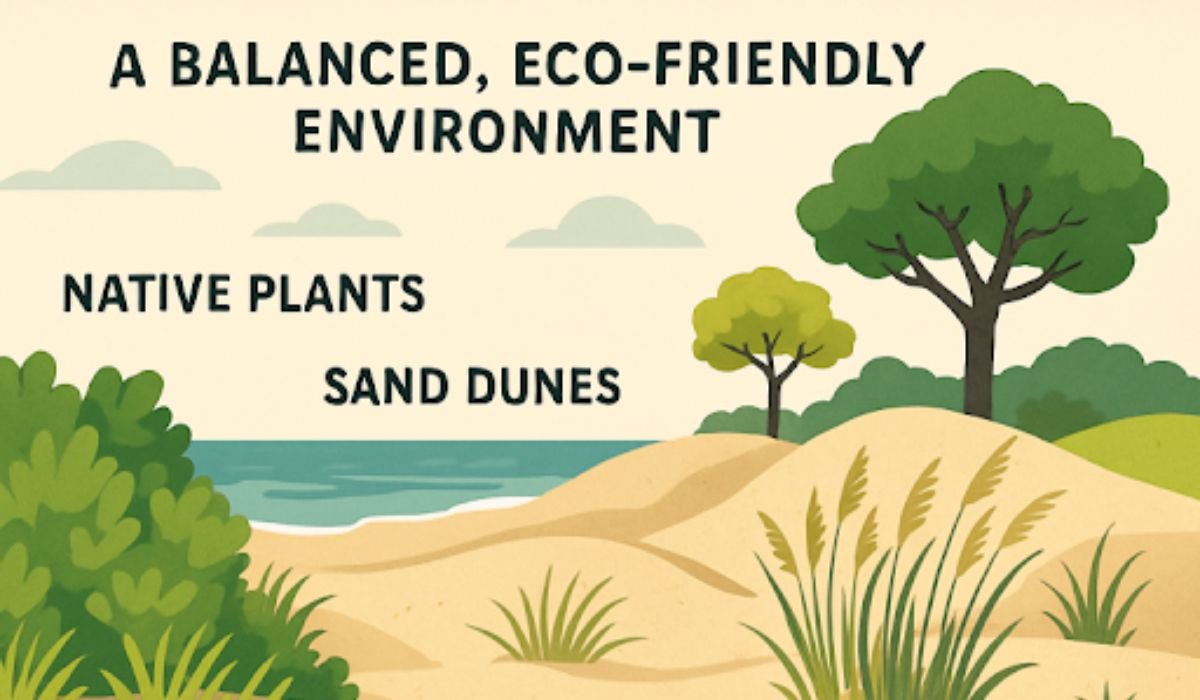
The Outer Banks (OBX) of North Carolina, with its unique coastal environment, presents both challenges and opportunities for homeowners and landscapers. Embracing sustainable landscaping practices not only preserves the area’s natural beauty but also promotes environmental health and community well-being. For instance, using services like stump grinding service in the OBX NC can help maintain the landscape’s integrity. Albemarle Landscapes and Tree Service, a locally owned company based in Kitty Hawk, NC, offers expert tree removal, trimming, and landscaping services tailored to the unique needs of the OBX region. Their commitment to sustainable practices ensures that your landscape remains both beautiful and environmentally friendly.
Sustainable landscaping focuses on creating and maintaining outdoor spaces that work with, rather than against, the natural environment. By prioritizing native plants, efficient irrigation, and organic maintenance methods, property owners can significantly reduce water consumption and limit the use of harmful chemicals. This approach strengthens soil health, conserves resources, and supports local wildlife habitats. In the OBX, where coastal ecosystems are fragile and highly exposed to wind and salt intrusion, sustainable practices are essential. They help prevent erosion, protect natural dunes, preserve biodiversity, and maintain the long-term resilience and beauty of the surrounding landscape.
Incorporating native plants into your landscape offers numerous benefits:
- Adaptation: Native species are well-suited to the local climate and soil conditions, requiring less maintenance.
- Water Efficiency: These plants typically need less irrigation, conserving water resources.
- Wildlife Support: Native flora provides habitat and food for local wildlife, promoting biodiversity.
Examples of native plants suitable for the OBX include:
- Sea Oats (Uniola paniculata): Helps stabilize dunes and prevent erosion.
- Wax Myrtle (Morella cerifera): A hardy shrub that thrives in coastal conditions.
- Eastern Red Cedar (Juniperus virginiana): Offers windbreaks and shelter for wildlife.
Effective water management is vital in the OBX due to variable rainfall and sandy soils. Implementing the following techniques can enhance water efficiency:
- Drip Irrigation: Delivers water directly to plant roots, reducing evaporation.
- Rain Gardens: Captures runoff, allowing water to infiltrate the soil and recharge groundwater.
- Mulching: Retains soil moisture and suppresses weeds.
Healthy soil is the foundation of a thriving landscape. Practices to improve soil health include:
- Composting: Adds organic matter, enhancing soil structure and fertility.
- Cover Crops: Prevent erosion and add nutrients to the soil.
- Minimal Tillage: Reduces soil disturbance, preserving beneficial microorganisms.
Traditional lawn care can be resource-intensive. Adopting eco-friendly practices can reduce environmental impact:
- Organic Fertilizers: Provide nutrients without harmful chemicals.
- Integrated Pest Management (IPM): Combines biological, cultural, and mechanical methods to control pests.
- Alternative Ground Covers: Use clover or native grasses that require less mowing and watering.
READ ALSO: How Tree Removal Services Adapt to Weather and Seasons in Albany, NY
Implementing sustainable landscaping practices requires careful planning, technical knowledge, and an understanding of local environmental conditions. Professional services bring expertise in designing, installing, and maintaining eco-friendly outdoor spaces that balance aesthetics with long-term sustainability. Companies like Albemarle Landscapes and Tree Service in the OBX, NC area provide comprehensive solutions tailored to coastal landscapes, including specialized maintenance and stump grinding services. Their experience with regional soil, climate, and vegetation ensures projects are durable, efficient, and environmentally responsible. Partnering with skilled professionals helps property owners create landscapes that thrive while preserving natural resources and enhancing overall property value.
Q: What are the benefits of using native plants in my landscape?
A: Native plants are adapted to local conditions, requiring less water and maintenance. They also support local wildlife and help maintain biodiversity.
Q: How can I conserve water in my landscape?
A: Implementing drip irrigation, creating rain gardens, and using mulch are effective strategies for conserving water.
Q: Why is soil health important in landscaping?
A: Healthy soil provides essential nutrients, supports plant growth, and improves water retention, leading to a more resilient landscape.
Embracing sustainable landscaping practices in the OBX improves both the aesthetic appeal and long-term functionality of outdoor spaces while protecting the surrounding coastal environment. Selecting native plants reduces maintenance needs and supports local wildlife, while efficient irrigation methods help conserve water in areas where water is scarce. Prioritizing healthy soil and natural fertilizers strengthens plant growth without harmful chemicals. Partnering with experienced professionals ensures proper planning and execution, resulting in landscapes that thrive naturally and remain balanced with the region’s unique ecosystem and climate conditions.
YOU MAY ALSO LIKE: Smart Tree Care Practices for Thriving Landscapes in Lafayette, CO
 Arthur