 By Arthur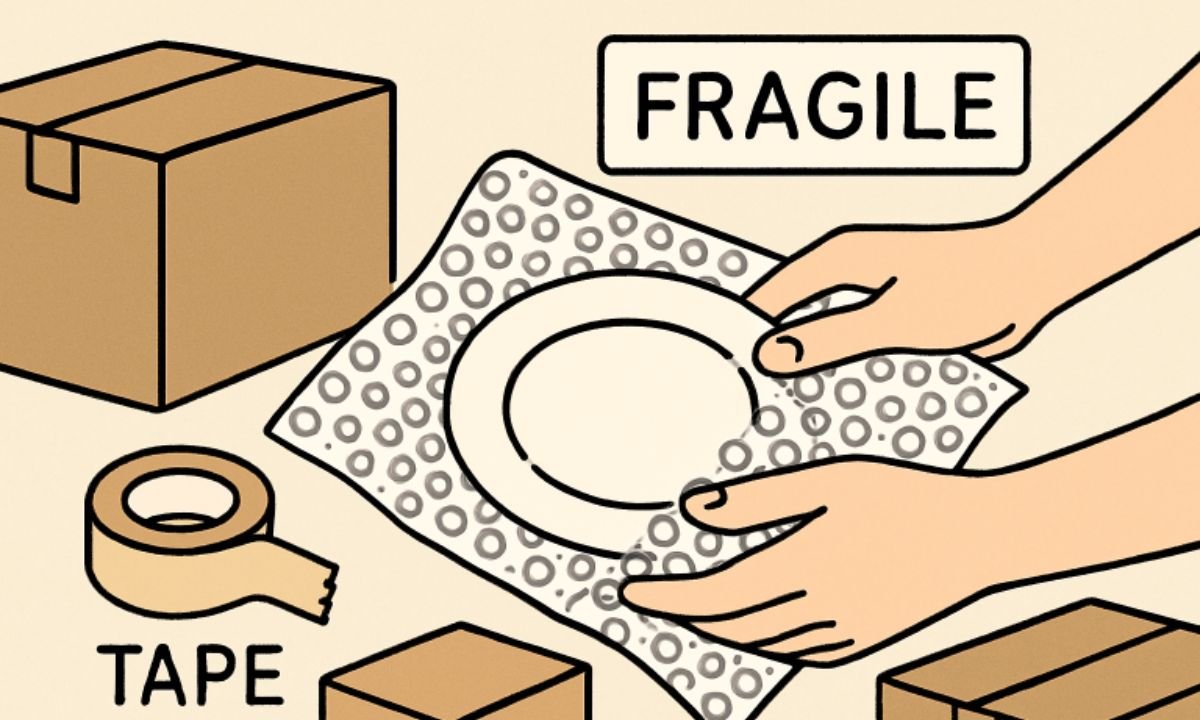
Packing delicate belongings can often feel daunting, especially when each item holds sentimental or monetary value. Ensuring these fragile possessions reach their destination safely requires more than just tossing them into a box. With careful planning, the right materials, and systematic techniques, you can significantly reduce the risk of damage during transit. Simple steps such as using bubble wrap, sturdy boxes, and clear labeling can make a noticeable difference, giving you peace of mind throughout the moving process.
Professional guidance can also provide valuable insights on handling breakable items efficiently. For instance, services like Checkmate Moving emphasize careful handling and proper packing strategies, showing how organization and attention to detail help protect fragile belongings. By prioritizing safety and methodical packing practices, anyone can move delicate items with confidence, turning what might seem like a stressful task into a smooth, manageable experience.
The foundation of safe packing lies in using the proper supplies. Select sturdy, high-quality boxes that are less likely to collapse under weight or pressure. In addition to standard boxes, invest in bubble wrap, packing paper, foam sheets, and heavy-duty packing tape. These items provide essential cushioning and help minimize the risk of breakage, even when boxes are stacked or briefly jostled. Additional materials, such as corner protectors or foam pouches, can further safeguard especially fragile objects.
Emphasize wrapping every fragile object separately. Using bubble wrap or foam sheets, thoroughly cover all surfaces of each item, making sure no part is left exposed. Secure the protective layer with tape to prevent slippage. This step significantly reduces the chance of scratches and prevents objects from knocking into each other within the box. Remember that even sturdy items, like mugs or figurines, can be vulnerable without proper protection.
When dealing with especially delicate or valuable pieces, double-boxing offers an extra measure of security. Start by placing the well-wrapped item into a small, sturdy box, then fill it with padding around all sides. Next, nest this small box inside a larger one with additional cushioning on all sides. This second layer acts as a buffer, absorbing shocks from drops or collisions during loading and unloading. Double-boxing is strongly recommended for items like fine china, collectibles, or delicate electronics.
Any spaces left vacant inside the box can let items move around and collide, leading to chips or cracks. Fill all gaps with packing peanuts, crumpled paper, or even soft items like towels or clothing to keep the contents immobilized during transport. This step is particularly important for odd-shaped or irregular items, since empty voids are often overlooked but can spell disaster for your belongings.
To minimize the risk of cracks, pack plates on their edges instead of stacking them flat. Wrap each plate with bubble wrap or packing paper and place them vertically, like records, inside the box. Pad the spaces between plates with foam or crumpled paper to prevent them from shifting. This method helps distribute weight evenly and reduces the likelihood of breakage, a recommendation backed by professional movers and seen in resources like Martha Stewart’s packing tips.
Clearly marking boxes containing fragile items will ensure they are handled with care. Use large, bold labels reading “FRAGILE” on all sides, along with handling instructions like “THIS SIDE UP” if orientation matters. Make sure anyone helping with your move, including professional movers, can easily spot and follow these instructions. Effective labeling can prevent accidents stemming from carelessness or miscommunication.
It is tempting to fill every box, but overloading increases the risk of damage. Too much weight can cause boxes to buckle or split, jeopardizing everything inside. Always use boxes that are appropriately sized for their contents, and keep the total weight manageable. As a guideline, fragile boxes should not exceed a weight that is comfortable for one person to lift easily, ideally no more than 45 pounds.
Sometimes, the best course of action is to rely on professional help, especially if you have highly valuable or sentimental items. Professional moving companies specialize in securing delicate belongings, utilizing advanced materials and techniques to guarantee safe transit. If you feel uncertain or overwhelmed, do not hesitate to reach out for assistance; your peace of mind and the integrity of your items are worth it.
By following these expert tips, you can confidently prepare your fragile items for any move and minimize the risk of damage. Smart planning, high-quality packing materials, and careful labeling are the keys to ensuring that all your valuables arrive safely and in good condition.
READ ALSO: Business Relocation Services: A Strategic Approach to Moving Companies Forward