 By Arthur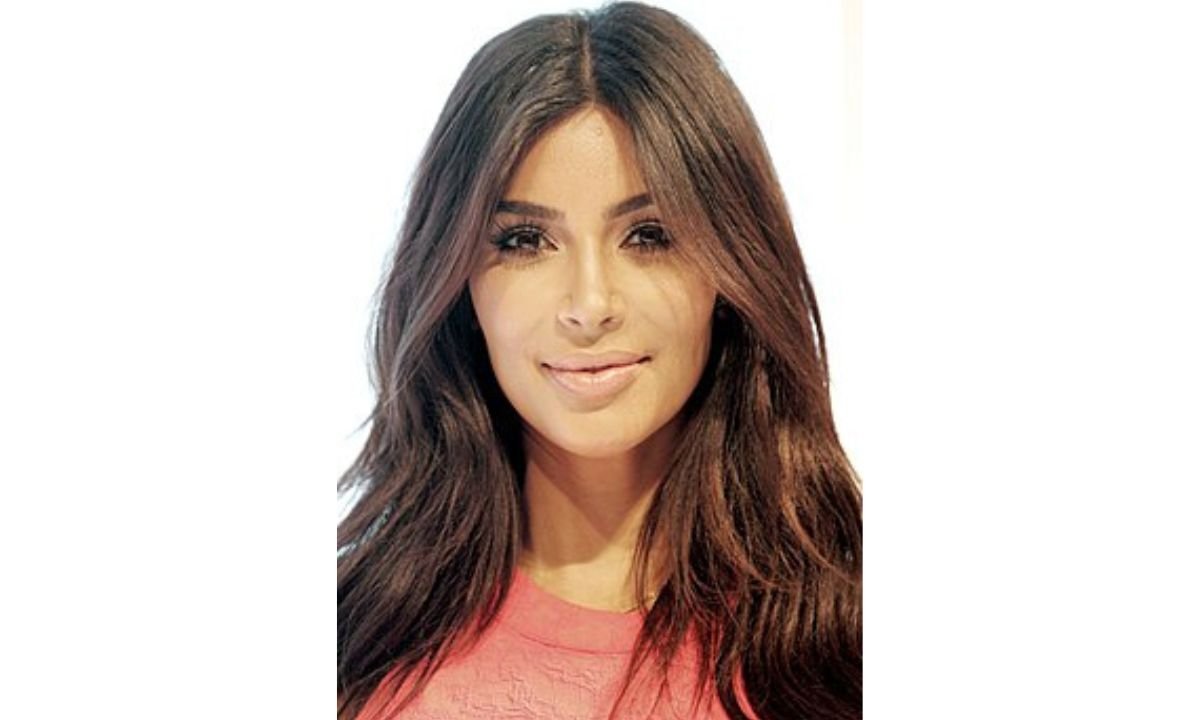
In October 2007, a flashy new reality show hit E! and quietly rewrote the rules of fame. Keeping Up with the Kardashians introduced viewers to a tight-knit, larger-than-life family from Los Angeles, but it was Kim Kardashian—the stylish, camera-ready eldest daughter—who quickly became its breakout star. What started as a glimpse into the privileged lives of the rich and semi-famous exploded into a cultural juggernaut that turned “famous for being famous” into a billion-dollar business model. Today, Kim Kardashian isn’t just a reality TV icon; she’s a self-made billionaire whose empire spans shapewear, beauty, and even criminal justice reform.
This isn’t another glossy celebrity profile. It’s a deep dive into how Kim transformed personal drama, social media savvy, and razor-sharp business instincts into one of the most influential brands of the digital age. Whether you binge her shows, shop her SKIMS drops, or follow her activism, you’ll walk away understanding the strategy that made her a mogul—and why her story matters far beyond the headlines.
When Keeping Up with the Kardashians premiered, no one predicted it would run for 20 seasons and spawn a media dynasty. The show followed Kim, her sisters Kourtney and Khloé, half-sisters Kendall and Kylie, mom Kris Jenner, and the extended clan through everyday dramas, lavish vacations, and very public milestones. At its core, it was raw, unfiltered access to a family that felt both aspirational and relatable—oversharing as entertainment.
The series didn’t just entertain; it pioneered a new kind of celebrity. Before Instagram Stories and TikTok lives, KUWTK normalized broadcasting every detail of your life. Kim and her family turned vulnerability into a marketing superpower, proving that authenticity (or the appearance of it) could build empires. The show’s cultural ripple effects are still felt today: it birthed spin-offs, boosted E!’s ratings, and showed networks that “real” families could outdraw scripted dramas.
Kim’s rise wasn’t without controversy. A leaked 2007 sex tape thrust her into the spotlight, but instead of hiding, she owned the narrative. She flipped the script, using the scandal as a launchpad for endorsements, modeling gigs, and eventually her own fragrance and clothing lines. Every tabloid headline became free publicity.
Enter Kris Jenner, the ultimate “momager.” Kris didn’t just manage; she architected the family brand. From product placements on the show to strategic social media rollouts, she taught her daughters how to monetize every moment. Kim watched, learned, and eventually outpaced them all. What critics called “famous for being famous” was actually a masterclass in personal branding—turning family dynamics, breakups, and makeups into content that kept fans hooked and brands knocking.
By 2019, Kim was ready for her biggest leap yet. Frustrated with shapewear that didn’t fit diverse bodies or skin tones, she co-founded SKIMS with Jens Grede. The brand launched with a simple promise: solutions-focused underwear, loungewear, and shapewear that felt like a second skin—available in inclusive sizing (XXS to 5X) and 10+ shades.
The marketing? Pure genius. Kim leveraged her 300+ million Instagram followers for direct-to-consumer drops that sold out in minutes. Viral campaigns featured everyday women alongside A-listers, emphasizing body positivity without preachiness. Authenticity met strategy: Kim openly shared her own postpartum struggles and fit challenges, making SKIMS feel personal. Social media amplification, influencer partnerships, and celebrity collabs (like the 2024 NikeSKIMS drop) turned it into a cultural must-have.
Fast-forward to November 2025: SKIMS raised $225 million in funding, pushing its valuation to $5 billion. Kim’s roughly one-third stake made her even wealthier, contributing the lion’s share of her fortune. The brand now spans T-shirts, pajamas, outerwear, and men’s lines—proving shapewear was just the beginning.
Kim’s beauty journey started with KKW Beauty in 2017, which pioneered contouring kits that defined a generation. In 2022, she rebranded to the luxe SKKN BY KIM, focusing on high-end skincare with a minimalist aesthetic. But by September 2025, SKKN wound down operations, with SKIMS acquiring the line and folding beauty into an upcoming SKIMS Beauty relaunch. Kim confirmed the pivot: “We’re going to bring back what works.”
Her approach to “drop” culture—limited releases that create scarcity—kept fans refreshing carts and social feeds. It wasn’t just products; it was an event. This scarcity marketing, combined with her direct-to-consumer model, generated hundreds of millions in revenue while building customer loyalty that traditional beauty giants envy.
Kim’s pivot to law shocked many—but it traced back to her father, Robert Kardashian, the late attorney famous for defending O.J. Simpson. In 2018, inspired by prison reform stories, she began a four-year apprenticeship under California’s “reading the law” program (bypassing traditional law school). She passed the grueling “baby bar” exam on her fourth try in 2021.
By May 2025, she’d completed her six-year apprenticeship and “graduated” the program. She sat for the full California bar exam in July 2025 but revealed in November that she didn’t pass. “I’m not a lawyer yet,” she posted on Instagram Stories, adding, “Six years into this law journey, and I’m still all in.” No shortcuts—just more studying. It’s a rare glimpse of vulnerability from a woman who seems to master everything she touches.
Kim’s activism isn’t performative. In 2018, she lobbied President Trump and Jared Kushner directly, helping secure Alice Marie Johnson’s release from a life sentence for a non-violent drug offense. That effort snowballed into broader advocacy for the First Step Act, a bipartisan criminal justice reform bill signed in 2018 that reduced mandatory minimums and expanded rehabilitation programs. Kim’s White House meetings and public support were pivotal.
She’s since helped commute sentences for dozens of non-violent offenders, paid legal fees, and produced a documentary, Kim Kardashian West: The Justice Project. As recently as March 2026, she endorsed Senator Cory Booker’s legislation to pay incarcerated federal workers the federal minimum wage, calling prison labor “un-American.” Kim treats activism like business: research-driven, persistent, and results-oriented.
Kim didn’t just ride trends—she created them. Her signature contouring tutorial went viral before “tutorial” was a hashtag, turning makeup counters upside down. She popularized the “Kardashian body”—curvy, sculpted, celebrated—which shifted global beauty ideals toward inclusivity of shape while sparking debates on filters, fillers, and unrealistic expectations.
Critics have pointed to cultural appropriation concerns (from cornrows to certain makeup looks) and the pressure her image places on young fans. Kim has addressed this head-on, acknowledging her privilege and evolving her messaging toward body neutrality. Love her or critique her, the “Kardashian Effect” is undeniable: it forced the beauty industry to diversify shades, sizes, and silhouettes.
With over 300 million Instagram followers and a massive TikTok presence, Kim turned social media into her personal news wire. Every post is a calculated mix of personal updates, product teases, and advocacy. She moves markets—SKIMS launches crash websites; a single story can boost or tank stocks. Her approach? Treat followers like stakeholders, not spectators. This direct connection bypasses traditional gatekeepers and proves that in the digital age, influence is currency.
Kim Kardashian dismantled the old celebrity playbook. She didn’t inherit power—she engineered it through grit, timing, and an uncanny ability to read culture. From the KUWTK cameras to SKIMS boardrooms and prison reform meetings, she’s shown that personal branding, when done right, creates lasting impact.
Her net worth hovers near $1.9 billion in 2026, but the real value lies in her blueprint: spot a gap, build authentically, leverage your platform for good. Whether you admire her empire or question her methods, one thing is clear—Kim redefined what a mogul looks like.
What’s your take? Drop your thoughts on her most game-changing move in the comments, or check out our guide on The Power of Personal Branding to start building your own legacy. Kim’s story proves it’s never too late to evolve.
 Siam
Siam