 By Prime Star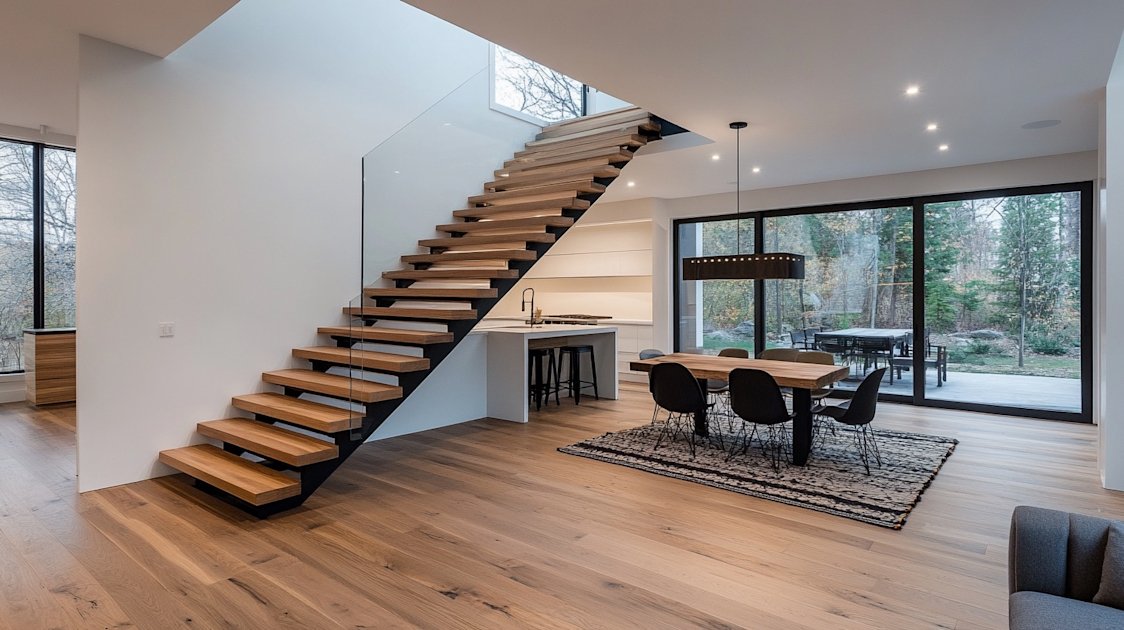
A staircase is far more than a way to move between floors. It’s a functional necessity, a design statement, and often a central feature that ties your home together. Choosing the right staircase requires thoughtful planning, balancing aesthetics with practicality, and ensuring it works seamlessly with your lifestyle. Whether you’re building new or remodeling, here’s how to select a staircase that truly fits your home.
Before falling in love with a particular style, evaluate the space available. Staircases come in many configurations—straight, L-shaped, U-shaped, spiral, and floating designs—and each has unique spatial requirements.
Straight staircases are simple and cost-effective but require more linear space. L-shaped or U-shaped stairs can fit more compact layouts while adding visual interest. Spiral staircases are ideal for tight spaces but may not be suitable for families with young children or for frequently moving large items between floors. Understanding your floor plan and traffic flow will narrow your options significantly.
Your staircase should feel like a natural extension of your home’s overall style. In modern or minimalist homes, floating stairs with sleek railings create a clean, open look. Traditional homes often benefit from classic wooden staircases with detailed balusters and handrails. Industrial-style homes may incorporate metal elements, sometimes crafted using techniques like metal fabrication laser cutting in Wisconsin to achieve precise, custom designs.
The goal is cohesion. A staircase that clashes with your home’s architectural style can feel out of place, no matter how beautiful it is on its own.
Material choice affects not only appearance but also durability, maintenance, and cost. Common staircase materials include wood, metal, glass, concrete, or a combination of these.
Wood is warm, versatile, and timeless, making it a popular choice for many homes. Metal offers strength and a modern edge, often paired with wood treads for comfort. Glass panels can enhance light flow and openness but require frequent cleaning. Concrete staircases are durable and striking, especially in contemporary or industrial interiors, though they can be more expensive to install.
Consider how the materials will age, how much maintenance you’re willing to handle, and how they’ll perform in a busy household.
A staircase must be safe and comfortable for everyone who uses it. Pay attention to tread depth, riser height, and handrail placement. Building codes exist for a reason—they help ensure stairs are easy and safe to climb.
If you have children, elderly family members, or plan to age in place, avoid overly steep designs and ensure sturdy railings. Non-slip treads, adequate lighting, and well-designed landings can significantly reduce the risk of accidents while improving everyday usability.
Staircases can block or enhance natural light depending on their design. Open risers, glass railings, and lighter materials help maintain an airy feel, especially in smaller homes. Enclosed staircases may offer more privacy but can make spaces feel darker or more confined.
Incorporate lighting thoughtfully. Recessed wall lights, step lights, or pendant fixtures above stairwells improve visibility and add ambiance. A well-lit staircase is not only safer but also more visually appealing.
Staircases can carry sound throughout a home. Hardwood stairs, while attractive, may be noisier than carpeted or engineered alternatives. If the staircase is near bedrooms or workspaces, consider materials and designs that reduce noise transfer.
Privacy matters too. Open staircases connect spaces visually and acoustically, which works well in open-plan homes but may not suit everyone. Enclosed or partially screened staircases can help define zones and create quieter areas.
Staircase costs vary widely depending on design complexity, materials, and installation. Custom staircases are an investment, but they can add significant value to your home. Set a realistic budget early and prioritize features that matter most to you—whether that’s design impact, durability, or ease of maintenance.
Remember to think long-term. A well-chosen staircase should serve your needs for decades, adapting to changes in family size, mobility, and lifestyle.
Choosing the right staircase is about more than just getting from one floor to another. It’s about how your home feels, flows, and functions every day. By considering space, style, materials, safety, and long-term use, you can select a staircase that enhances your home both practically and visually—one step at a time.
READ ALSO: 6 Ways to Avoid the Top Carpet Cleaning Mistakes Homeowners Make
 Arthur