 By Arthur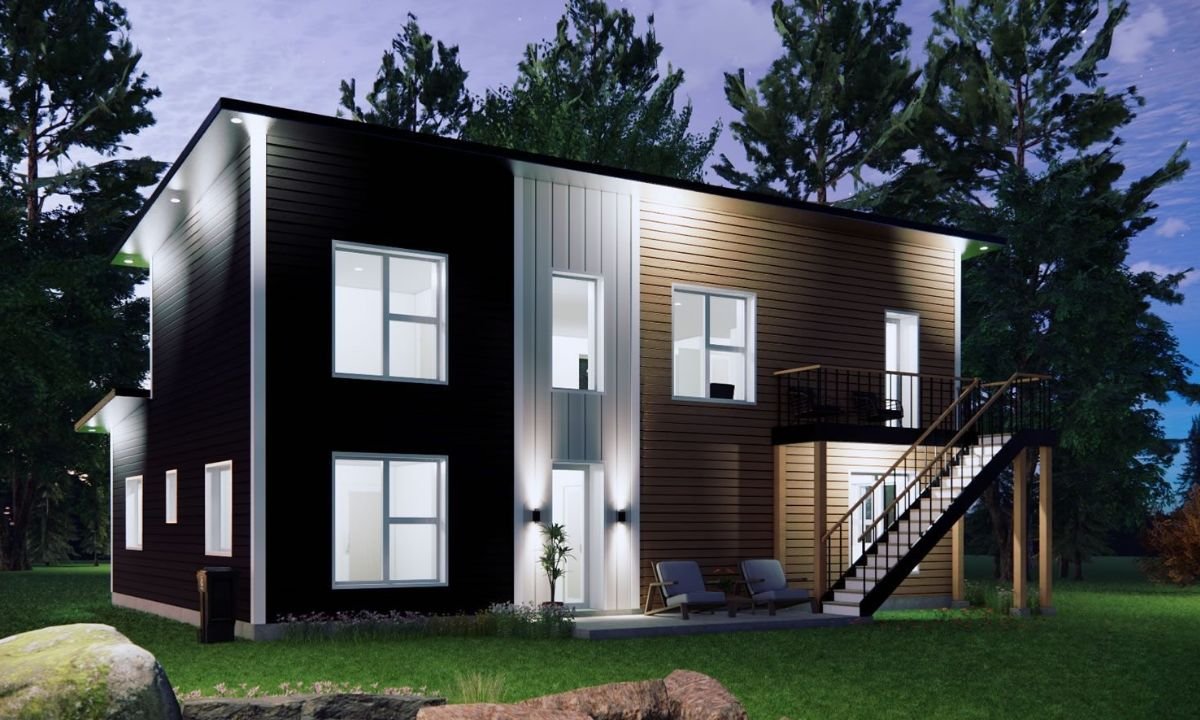
- Why shared living is becoming more common across different life stages
- How design influences privacy and day-to-day comfort
- Where flexibility fits into multi-household arrangements
- Why shared living is no longer a one-size-fits-all solution
Shared living is no longer limited to specific life stages or circumstances. It’s increasingly being shaped by practical needs, financial considerations, and changing family structures. From extended families to households choosing to live together for convenience, the way people share space has evolved.
Modern housing design has responded to this shift. Instead of forcing multiple people into spaces designed for single households, newer approaches focus on balance. Shared living now aims to support independence as much as connection, allowing people to live together without feeling crowded or compromised.
Rising housing costs, longer periods spent living with family, and a desire to stay close to support networks have all contributed to renewed interest in shared living. For many, it’s less about compromise and more about practicality.
Shared living can offer emotional and logistical benefits when designed well. Access to family support, shared responsibilities, and efficient use of land all play a role. The challenge lies in ensuring that shared arrangements remain comfortable over time.
This has led to greater attention on how homes are structured, not just how many people they accommodate.
One of the biggest concerns with shared living is privacy. Without clear boundaries, even well-intentioned arrangements can become strained. Modern designs address this by separating key living functions while still allowing for connection.
Private entrances, defined living zones, and sound separation all contribute to a sense of autonomy. When people feel they have space to retreat, shared living tends to work more smoothly.
Privacy doesn’t reduce connection. In many cases, it supports healthier relationships by reducing friction in everyday interactions.
Layout plays a central role in how shared homes function. Thoughtful planning considers how people move through space, where activities overlap, and where separation is needed.
Designs that allow each household or occupant to operate independently often feel more sustainable. Separate kitchens or living areas, for example, reduce reliance on shared schedules. Clear circulation paths help prevent congestion during busy times of day.
This approach recognises that shared living doesn’t mean shared everything.
As demand grows for flexible living arrangements, dual occupancy homes have become a practical option for shared living. These designs allow two separate dwellings on a single site, offering independence while keeping households close.
This model suits a range of situations. Extended families may use it to live nearby while maintaining privacy. Others may see it as a way to adapt their property as needs change over time.
Beechwood Homes offers dual occupancy designs that reflect this balance between separation and connection, showing how careful planning can support shared living without sacrificing comfort.
Shared living arrangements often change as people move through different stages of life. What works for young adults may need adjustment as families grow or as older relatives require more independence.
Homes designed with adaptability in mind tend to handle these transitions better. Spaces that can be repurposed or reconfigured allow households to respond to change without major disruption.
This adaptability helps shared living remain a choice rather than a necessity.
Modern shared living is less about fitting people into existing spaces and more about designing spaces around real needs. Intentional design considers how people interact, rest, and coexist over time.
When shared homes are designed thoughtfully, they can support both independence and togetherness. This balance is what sets modern shared living apart from older models.
As housing needs continue to evolve, shared living options that prioritise flexibility and privacy are likely to remain an important part of the housing landscape.
READ ALSO: Home Remodeling Morris County New Jersey Transforming Homes With Style and Function
 Prime Star