 By Arthur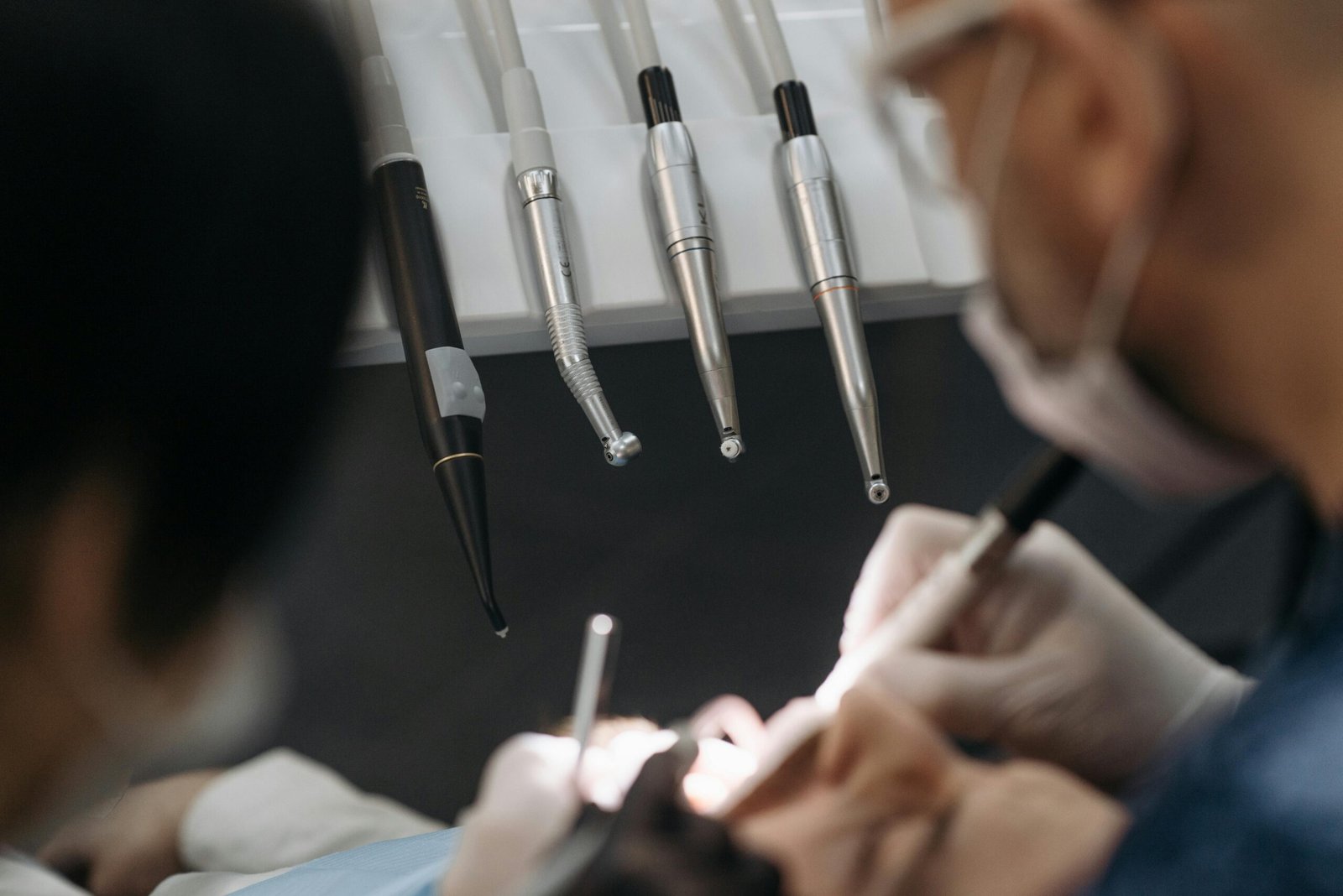
Advances in oral surgery have transformed the way dental professionals approach complex procedures, improving both patient outcomes and recovery experiences. Innovations in technology, anesthesia, and surgical techniques have made treatments more precise, less invasive, and increasingly predictable. These developments allow for a broader range of procedures to be performed safely, addressing issues from impacted teeth to corrective jaw surgery with greater efficiency and reduced discomfort.
One area seeing significant improvement is patient care coordination, where a dentist plays a crucial role in planning and monitoring treatment. With enhanced imaging tools and minimally invasive approaches, dentists can more accurately diagnose conditions, anticipate complications, and tailor procedures to each patient’s needs. As techniques continue to evolve, patients benefit from shorter recovery times and more comfortable experiences, highlighting the impact of modern tools and methods in everyday dental practice. These changes are shaping a new standard of care in oral health management.
Robotic technology is increasingly finding its place in dental clinics and hospitals, offering engineers and surgeons a powerful partner at the operating table. Transoral robotic surgery (TORS) is a particularly significant development. By allowing surgeons to work through a patient’s open mouth, TORS eliminates the need for large external incisions. This results in less tissue damage, minimized scarring, and significantly reduced postoperative discomfort. As technology advances, the precision and control provided by robotic systems continue to improve surgical outcomes. Additionally, the minimally invasive nature of TORS helps to shorten recovery times for patients. Primarily applied to treat tumors in challenging locations such as the base of the tongue or the tonsils, TORS has proved life-changing for many patients.
The integration of 3D printing technology is transforming the workflow and results of oral surgical care. This innovation enables the creation of patient-specific dental implants and prosthetic devices on-site, reducing the weeks-long turnaround times of conventional methods. Custom-fit crowns, bridges, surgical guides, and even full-jaw restorations can be produced with great detail, improving not only fit but also long-term comfort and aesthetics for patients. As technology advances, these personalized solutions are becoming more accessible and affordable, leading to better overall treatment outcomes. This shift towards digital fabrication is redefining standards in dental practice and patient care.
The rise of artificial intelligence (AI) in oral surgery is improving outcomes right from the first visit. AI-powered software is now adept at accurately analyzing dental radiographs, CT scans, and intraoral images. This technology is invaluable for detecting cavities, bone loss, gum disease, and even early signs of oral cancers that might be missed by the human eye. Through machine learning models trained on thousands of patient images, dentists can now identify issues earlier and recommend more effective treatment options.
Patient comfort and accelerated healing have taken center stage with the widespread adoption of minimally invasive procedures in oral surgery. Laser dentistry is a prime example. Using precisely targeted laser energy, dentists can remove diseased tissue, reshape gums, or perform soft-tissue surgeries with minimal bleeding and no stitches required. This not only shortens recovery time but also greatly minimizes pain and inflammation. Similarly, bone grafting and sinus lift procedures that once required significant incisions are now less traumatic, allowing patients to return to their regular routines much more quickly.
Virtual Surgical Planning (VSP) represents another leap forward in oral and maxillofacial surgery. Using high-resolution visualizations derived from digital photographs, X-rays, and 3D scans, surgeons can simulate complex procedures before ever making an incision. This approach benefits both surgical teams and patients by enabling anticipation of potential challenges, the tailored design of custom surgical guides, and fine-tuned interventions tailored to individual anatomy. The time spent in surgery is greatly reduced, along with the risk of complications and anesthesia-related concerns.
Modern advancements in oral surgery underscore a new era of dental care where technology, skill, and patient well-being converge. From robotic-assisted surgeries and 3D-printed dental solutions to AI-powered diagnostics and minimally invasive techniques, each development aims to make dental care safer, more comfortable, and more predictable. As patients embrace these changes, they can expect new standards in recovery times, outcomes, and overall experience, signaling a brighter future for oral health worldwide.
 Siam
Siam