 By Siam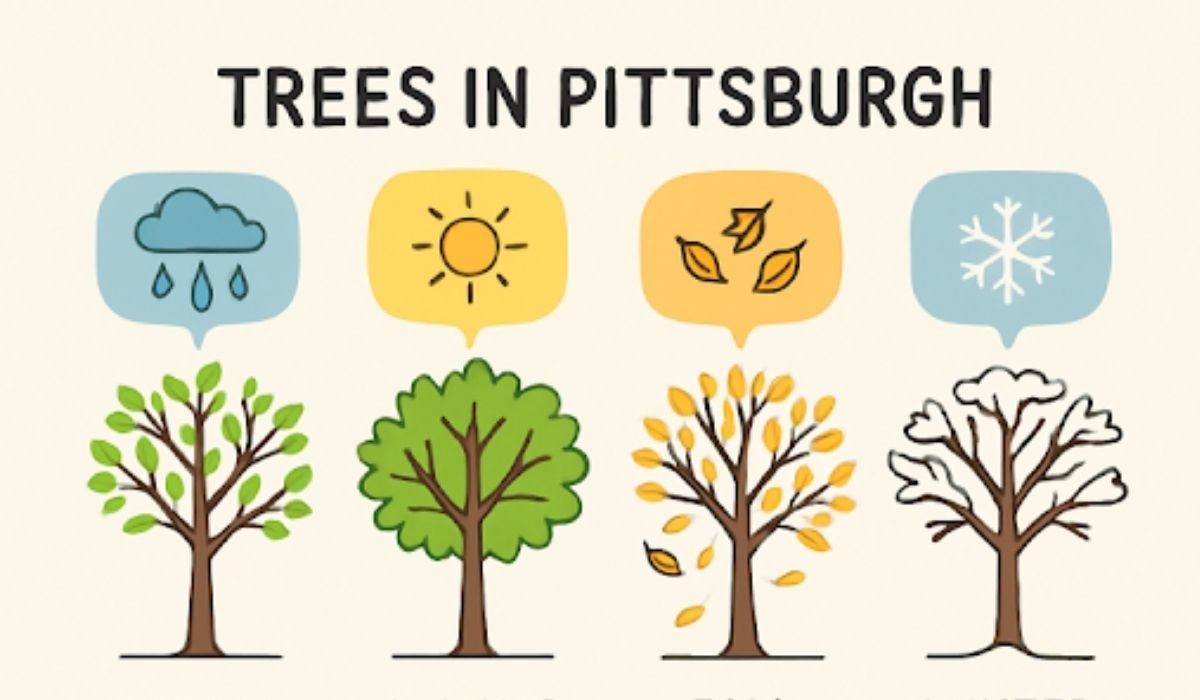
Trees are often the crown jewels of Pittsburgh’s landscapes, providing shade, visual interest, and vital habitats for local wildlife. However, the city’s famously diverse weather patterns—ranging from heavy spring rains to icy winter mornings—deliver both benefits and hazards to urban and suburban trees alike. Homeowners and property managers must be aware of these changes, as weather can increase both the risk to tree health and the need for prompt safety interventions. Working with an experienced tree service in Pittsburgh, PA, such as Tripoli Tree Care, can make a significant difference. Tripoli Tree Care is a trusted regional provider offering expert tree inspections, pruning, removal, and emergency services, and is well-known for its in-depth knowledge of tree health throughout the greater Pittsburgh area.
The wide swings in Pittsburgh’s seasonal climate—each posing its own challenges—make tree care an ongoing process rather than a once-a-year task. An awareness of the specific issues that arise in spring, summer, fall, and winter means you’re more likely to catch problems early on, before they escalate into costly property or safety risks. Residents seeking to extend the life of their trees—and who want to ensure the safety of their homes, cars, and families—will benefit from adapting their care practices throughout the year.
As Pittsburgh bursts into bloom each spring, trees awaken from dormancy, producing new shoots and buds. This period of vigorous growth also coincides with the year’s heaviest rainfall. While moisture is essential, overly saturated soils compromise root stability, making trees more susceptible to uprooting—especially when paired with high winds or lightning. Notably, a severe storm in April 2025 caused widespread tree damage, underscoring just how quickly spring weather can shift from nurturing to hazardous.
Frequent inspections after large storms can help identify issues such as split trunks, hanging limbs, or exposed roots—problems that can be more easily addressed with prompt professional support. Seasonal mulch application is also beneficial in retaining soil moisture and protecting tender roots from sudden swings in weather.
The hot, often arid Pittsburgh summer brings additional stresses. Prolonged heat waves can lead trees to shed leaves earlier than usual, conserving water in the process but losing valuable energy reserves. This early leaf drop, widely reported in September 2025, is a visible indicator of water stress. Drought conditions, even brief ones, slow down growth and make trees more vulnerable to pests and diseases. Deep, infrequent watering during extended dry periods can help roots develop greater resilience, supporting tree health through the summer months.
Autumn is when Pittsburgh’s trees prepare themselves for the winter. Leaf drop in deciduous species is an adaptive strategy to conserve water and energy. This natural shedding is a prime opportunity for homeowners to clear debris and schedule pruning—removing dead, diseased, or structurally unsound branches that could otherwise fall under the weight of snow or ice. Proper pruning not only enhances tree form and vitality but also reduces potential hazards to nearby structures or pedestrians in icy conditions.
Scheduling professional assessments before the cold season—especially for older or larger trees—can reveal weaknesses that are best corrected before winter arrives. Nutrient applications and continued mulching also bolster a tree’s defenses as it enters dormancy.
Pittsburgh winters can bring significant snow, sleet, and dramatic temperature swings. The weight of snow and ice frequently leads to broken branches or, in some cases, the complete failure of trees. In December 2025, for instance, local arborists and emergency crews were called to address widespread damage after an intense storm. Persistent freeze-thaw cycles cause the ground to heave, sometimes exposing or snapping roots, weakening tree stability. Regular post-storm inspections and timely snow removal from lower branches are sensible steps for any property owner.
- Regular Inspections: Conduct at least one thorough inspection each year, preferably in the spring or fall, focusing on disease indicators, pest activity, and storm damage.
- Proper Pruning: Prune away deadwood and weak limbs. Always leave more complex or high-reach jobs to certified professionals.
- Soil Management: Test the soil regularly, ensure good drainage, and aerate compacted soil to promote healthy root growth.
- Mulching: Apply quality organic mulch to regulate root temperature and maintain soil moisture, especially before winter.
- Large or Hazardous Trees: Trees located near buildings or power lines, or those with significant height or decay, require the expertise of a professional for risk reduction and safe management.
- Post-Storm Damage: After any severe weather event, have your property’s trees professionally assessed for both immediate hazards and subtle, longer-term health concerns.
- Disease or Pest Infestations: Certified arborists can identify, treat, and monitor complex health issues—including invasive species or fungal diseases—that can otherwise spread rapidly.
Seasonal weather changes play a powerful role in shaping tree health, safety, and longevity. By understanding how shifting conditions affect growth, stability, and resilience throughout the year, property owners can take informed steps to reduce risks and support stronger trees. Proactive care—such as routine inspections, timely pruning, proper watering, and soil management—helps prevent minor issues from escalating into costly or hazardous problems. When seasonal challenges are met with consistent attention and expert guidance when needed, trees are better equipped to withstand environmental stressors while continuing to enhance the beauty, value, and ecological balance of outdoor spaces year-round.
Q: How often should I have my trees inspected?
A: Annual inspections are strongly recommended, particularly ahead of Pittsburgh’s active storm seasons in spring and late summer.
Q: Can I prune my trees myself?
A: Light pruning can be a DIY task, but jobs involving significant height, nearby structures, or power lines should always be left to professionals for safety.
Q: What are the signs that a tree is unhealthy?
A: Discolored foliage, excessive leaf drop, fungal growth, dead branches, and visible insect presence are all warning signs that merit prompt attention.
Understanding Pittsburgh’s seasonal impacts on trees sets the stage for safe, healthy, visually stunning landscapes across neighborhoods. With mindful, seasonal care practices and timely intervention from qualified professionals, you can ensure your trees thrive while keeping your property protected through each chapter of the year.
 Arthur