 By Siam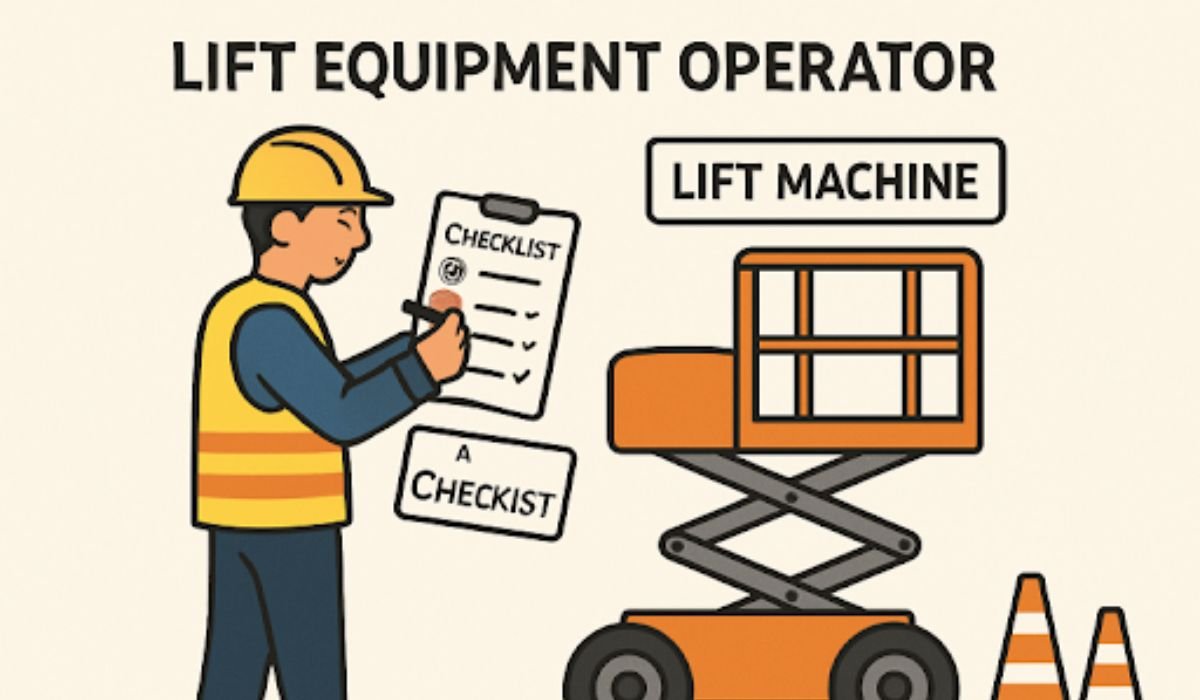
- Operator Training and Certification
- Pre-Operational Inspections
- Proper Load Handling and Securement
- Risk Assessment and Control Measures
- Regular Maintenance and Equipment Upkeep
- Emergency Procedures and Response
- Leveraging Technological Advancements
- Conclusion
Operating lift equipment is a significant responsibility requiring strict adherence to safety standards to prevent accidents and injuries. When organizations prioritize operator safety, they protect workers, limit costly operational disruptions, and remain in compliance with industry regulations. Early in the process, a professional Expert Heavy Equipment Inspection can reveal potential hazards before equipment is put into service, adding another layer of security to every lift.
Safety strategies are not about simply following rules. They involve creating a daily routine that includes ongoing training, diligent inspections, close attention to how loads are managed, and readiness for unexpected scenarios. This article outlines the essential safety measures required for any lift equipment operator to work responsibly and efficiently in any environment.
Comprehensive training and proper operator certification are the foundation of safe lift equipment operation. Every operator must be educated on the specific types of equipment they use, including forklifts, aerial lifts, and cranes. Training programs focus on understanding machine controls, reading safety signals, recognizing unsafe conditions, and responding correctly to emergencies. According to the Occupational Safety and Health Administration (OSHA), proper training significantly reduces the likelihood of workplace accidents by ensuring all team members understand their machinery, risks, and safety procedures. In high-risk environments, refresher courses are just as essential as initial training, keeping operators up to date on regulatory changes and best practices.
Before beginning any task, operators need to complete thorough pre-operational inspections. This routine includes visually checking equipment for leaks, wear, and loose parts, as well as functional tests of brakes, warning devices, hydraulic systems, and restraints. Proper documentation should be maintained for these inspections to support accountability and enable quick identification of recurring issues. Catching defects early can prevent malfunctions that might threaten safety or delay operations.
Careful load management is crucial for the stability and safety of lifting operations. Operators must confirm that every load falls within the equipment’s rated capacity and should evenly distribute weight while lifting or shifting materials. Securing loads with the proper rigging tools, such as certified slings, hooks, or chains, helps mitigate the risk of moving, unbalanced, or falling materials. Proper load-handling standards are outlined in safety guidelines published by the Centers for Disease Control and Prevention (CDC), along with practical steps to prevent falls and accidents during lifting and rigging operations.
Effective safety planning always starts with a thorough risk assessment before any task. This involves identifying hazards in the work area, evaluating environmental factors such as weather and ground stability, checking overhead clearance, and ensuring good visibility. Control measures might include setting up exclusion zones, using spotters, or adjusting equipment travel routes. By systematically reviewing the work environment before equipment is moved, organizations can fix potential problems before accidents occur. The National Safety Council offers resources on risk assessments and hazard mitigation for workplaces of all sizes.
Scheduled maintenance keeps lift equipment in peak condition and reduces the risk of sudden breakdowns. Organizations should create a schedule based on manufacturer recommendations, which typically includes checking hydraulic fluid, replacing worn parts, and testing emergency systems. Keeping detailed service records is essential for compliance and insurance coverage. Failure to perform preventive maintenance can lead to dangerous equipment failures or regulatory violations that threaten business operations. Major industry guidance on equipment upkeep is available from globally recognized publications, such as Safety+Health Magazine.
Every operator must know emergency protocols for their specific workplace, including steps to take during mechanical failures, power outages, or on-site accidents. Drills should be held regularly to keep procedures top of mind and ensure every team member can act quickly and safely under stress. Key actions can include activating emergency shutoffs, notifying supervisors, and isolating the hazard area to prevent further harm. Well-rehearsed response plans can mean the difference between a quick recovery and a severe incident.
Today’s technology can give operators and supervisors valuable real-time feedback on the health and performance of lift equipment. Innovations such as damage detection systems, smart load cells, and onboard diagnostics monitor equipment integrity and alert teams to issues before they cause failures. For example, lightweight sensors and artificial intelligence now enable real-time monitoring of fiber-lifting ropes, providing data that reduces human error and improves situational awareness. Continued investment in new safety technology supports safer, more compliant operations for organizations of all sizes. An overview of recent advancements in this field is available in educational resources published by Safety+Health Magazine.
Safe lift equipment operation does not come from any single procedure but from a systematic commitment to daily habits and organizational culture. By investing in professional inspections, regular training, careful equipment maintenance, risk assessments, and the latest technology, workplaces can dramatically reduce the risk of lift-related accidents. Each member of the crew plays a role in building a proactive safety culture, and every step toward better safety practices contributes to a more productive, efficient, and secure workplace.
 Arthur