 By Siam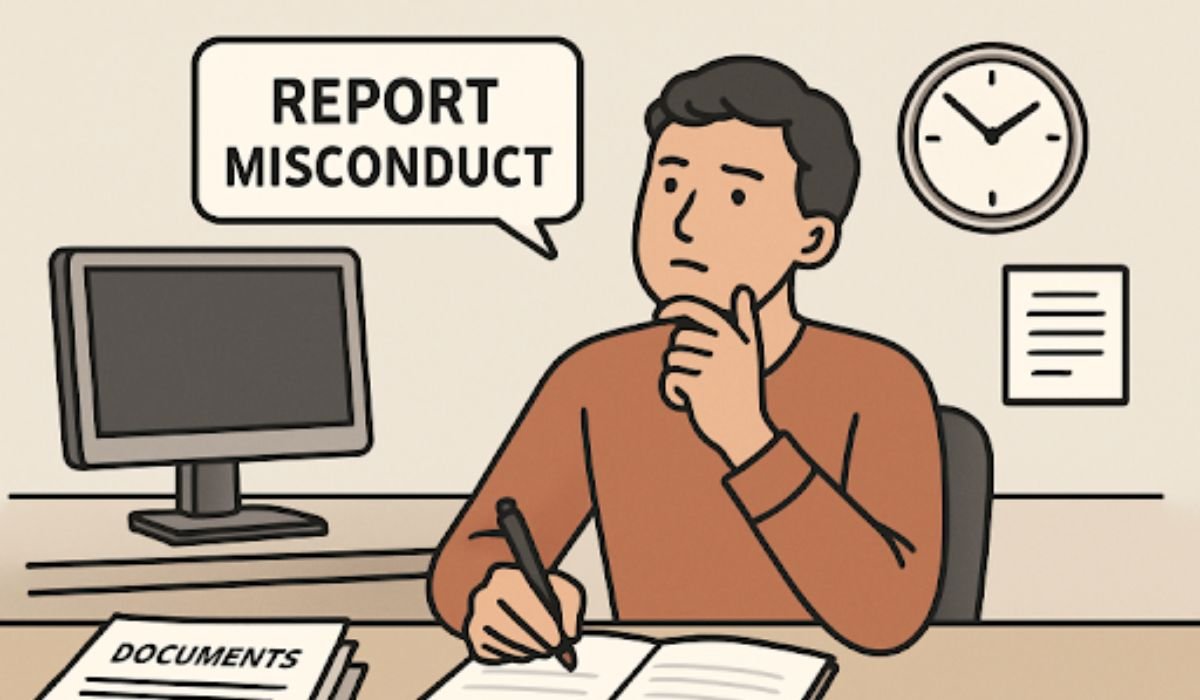
Navigating workplace misconduct can be daunting, especially when the stakes involve your well-being and professional reputation. Before taking any action, it’s vital to prepare effectively. Ensuring that your concerns are handled appropriately can help you achieve a fair resolution and protect yourself from unnecessary risks. If you suspect unethical behavior or retaliation, consulting a whistleblower attorney can further clarify your rights and options.
Taking action in a workplace environment isn’t always straightforward. There may be hurdles such as company politics, personal relationships, or worries about job security. By methodically preparing, you safeguard both your case and your career, while also supporting a more ethical workplace environment.
Reporting misconduct isn’t merely about safeguarding yourself—it’s about ensuring your organization upholds its standards for integrity and accountability. Preparation empowers you to speak up with confidence and clarity, knowing that your actions are justified and legally protected. Before initiating the reporting process, it’s also helpful to understand how similar cases are evaluated and what protections exist for those who take a stand.
The first and most crucial step is to document every aspect of the observed misconduct. This includes recording dates, times, specific locations, and names of all parties involved (including any witnesses). Gather and securely store any supporting materials—screenshots, photographs, emails, messages, or relevant documents. Meticulous records not only lend weight to your claims but also provide a clear narrative if your concerns are investigated.
Well-organized documentation helps ensure your report is regarded as credible and objective. It demonstrates your commitment to accuracy and transparency, qualities that are vital when discussing sensitive workplace issues.
Next, you should carefully examine your company’s official protocols regarding misconduct. Employee handbooks, HR policies, or digital intranet resources typically outline the expected steps for making a formal complaint. Adhering to these processes ensures your report is handled via the appropriate channels and demonstrates your professionalism.
Internal reporting channels exist to help protect both the employee and the organization, and many employers require that these avenues be exhausted before seeking outside intervention. Knowing your organization’s procedures also minimizes the risk of facing unnecessary retaliation or procedural delays.
Not all workplace misconduct carries the same level of urgency or consequence. It’s essential to assess the seriousness of the situation: Does it contravene internal policies, ethical codes, or state/federal laws? Evaluate the impact of this behavior on yourself, your colleagues, and the broader organizational culture. This evaluation will guide your next steps, indicating whether to escalate the situation internally or consider external authorities.
Before you formally report misconduct, confidentially consult a trusted member of your professional network—ideally someone with experience in HR, workplace ethics, or employment law who is uninvolved in the incident. An outside perspective can offer strategic advice and often reveal aspects of the situation you may not have considered. If legal questions arise, professional legal counsel can clarify your standing and available protections.
Many organizations now provide anonymous hotlines, websites, or third-party platforms for reporting workplace concerns. Utilizing these can add a critical layer of confidentiality, making it safer to report without fear of reprisal. If anonymity is essential to you, research how your organization’s system works and any follow-up processes they might use. Effective use of anonymous reporting tools is a practical way to bring attention to problems that might otherwise go unaddressed.
While laws exist to protect those who report workplace wrongdoing, retaliation remains a real concern. Familiarize yourself with company anti-retaliation policies and applicable state or federal whistleblower statutes. In the U.S., agencies such as the Equal Employment Opportunity Commission (EEOC) and the Occupational Safety and Health Administration (OSHA) provide protection and guidance on what to do if retaliation occurs.
Prepare a clear and concise account of the misconduct, structured with the documentation you’ve gathered. Identify the most appropriate person or office in your organization to report your concerns to—such as HR, compliance officers, or designated ethics representatives. When having the conversation or writing a report, focus on facts, evidence, and the potential impact—rather than emotions or speculation. This professionalism can make a significant difference in how your concerns are received.
Reporting misconduct is rarely the final step. After filing your complaint, maintain communication with the relevant parties and document each update or response. Keep records of any follow-up actions or meetings. If you find the issue isn’t being addressed satisfactorily, you may need to escalate to higher management or seek guidance from external authorities.
Reporting workplace misconduct is a challenging but often necessary step in ensuring ethical standards and fair treatment prevail. By emphasizing careful preparation—through documentation, policy review, and seeking confidential advice—you protect yourself and help foster a more accountable work environment. Understanding your rights and resources empowers you to raise your voice confidently, knowing that standing against wrongdoing is both possible and protected.
YOU MAY ALSO LIKE: Kleptotoxicity: The Hidden Cost of Dishonesty
 Arthur