 By Prime Star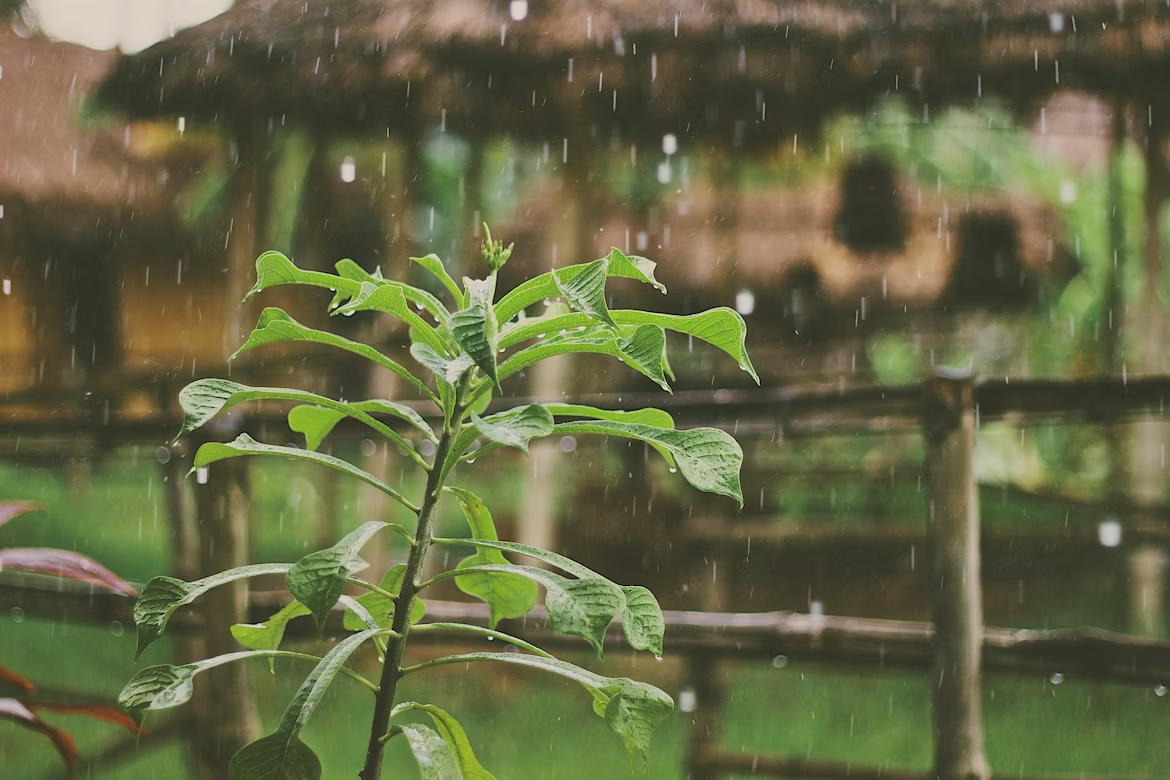
Ah, the charm of rainy days is unparalleled! One can hardly resist the fresh smell of the earth, the soft glow of light through the clouds, and the gentle tapping of water on leaves. It’s the kind of weather that can make your garden come to life in the most poetic way.
However, if you step outside too soon, the same beauty will greet you with swamps, slippery paths, and a glaring mess. Lately, there’s been more rain to deal with nationwide. In the US, 2024 saw a total precipitation of 31.58 inches. That’s 1.66 inches above average, placing the year among the wetter ones on record.
Well, you may not be able to remove this bittersweet reality, but there are ways to stop dreading rainy days in your garden. This article will discuss three of the most effective ones in that regard.
If there is one thing that rainy days tend to expose in a garden, it’s the lack of proper drainage. Hard surfaces like concrete and compacted soil prevent water from soaking in. This leads to the formation of puddles and slippery spots.
Just a quick upgrade of these areas can improve the way your garden handles the rainy season. Rather than allowing water to gather and stagnate, why not choose surface materials that let it pass through? This is especially important in high-traffic areas where durability and drainage need to work together.
As NDS. shares, reinforced turf and gravel systems are a solid alternative to traditional paving methods. Why? The simple reason is that they provide a stable surface without obstructing the flow of water into the ground below.
Another effective option is permeable pavers that let water seep through the surface instead of allowing it to pool on top. Using such materials in pathways, patios, and play areas will help keep spaces dry without changing the overall look of your garden. On that note, let’s dive straight into the many effective ways to improve drainage:
- Replace solid concrete patches with gravel, stone, or other permeable materials.
- Make use of pavers in walkways and seating areas to reduce the instances of standing water.
- Add a slight slope to paved areas so water can flow away naturally.
- Fill the gaps with sand or small gravel to improve absorption between surfaces.
- Mix materials such as grass and stone for a better balance between function and aesthetics.
Take a glance at the layout of your garden. Does it look like it’s all over the place with no intentional design? Then, it’s time to bring in more thought and order.
Do not underestimate the power of thoughtful garden design in changing the way you handle rainfall. With the layout, it’s possible to direct rainwater away from areas where it will only stagnate and become a health hazard.
Instead, the same water can be channelized in a way that plants and soil benefit from it. Studies on sustainable stormwater solutions have shown that design choices can have a considerable impact on runoff.
In urban areas, impervious cover ranges from 20% in residential zones to 85% in commercial counterparts. This shows the extent to which water is unable to infiltrate naturally. It only highlights the importance of designing yards that support runoff.
Before anything else, you must identify the areas in your garden where rainwater collects as opposed to where it flows freely. In case seating spots and vegetable beds are placed in a low area, consider moving them to slightly elevated zones. This will prevent water stagnation.
Let’s break down all the possible ways in which you can rethink your garden’s layout:
- Install raised beds to keep plants healthy and the soil dry.
- Use well-draining soil mixes in planting areas to prevent waterlogging.
- Include permeable pathways that guide rainwater naturally.
- Plant shrubs and ornamental grasses to absorb excess water and slow down runoff.
- Create small rain gardens in areas with natural depressions to filter water onsite.
- Plan separate areas for seating, play, and pets away from wet spots to reduce mess and erosion.
Perhaps one major reason why many homeowners dread the rainy season is how unusable their garden will become right after. You don’t have to face this worry if you plan beforehand. Instead of treating the entire area the same, divide it into zones based on how your family uses the space.
As per recent data, 56% of homeowners are investing more in outdoor spaces in 2025 compared to 2024. The main focus is to make these areas functional all year round. Does that ring a bell?
So, start by identifying areas that typically see heavy foot traffic. These could include play zones and gathering spots. Such areas should be designed to stay dry and stable even when the ground is wet.
Small changes in materials and layout can make a noticeable difference. Here’s a complete rundown of practical ways to build all-weather zones in your garden:
- Use mulch, gravel, or bark chips in play areas to reduce mud and improve drainage.
- Add cobbled pathways to keep movement clean and organized.
- Put up covered spaces in the form of pergolas and canopies for rain protection.
- Use outdoor mats or deck tiles in seating areas for better grip and comfort.
- Have a storage spot nearby so toys and tools are dry and easily accessible.
In case of pets, have a dedicated area for them with fast-draining, permeable surfaces to limit mess. When each zone is designed with purpose, your garden will naturally become easier to maintain.
Ultimately, the truth is that rain has its own funny way of testing a garden. Sometimes, it’s not the heavy downpour that causes trouble, but the light and steady drizzle that turns a walkway into a slip hazard.
A garden that truly works does not look perfect only on sunny days. It should hold up during those inconvenient wet days when everything around is a mess. We hope the ideas shared in this article will help you see your garden through a renewed lens.
Start wherever you can, and you will learn as you go. Even the smallest changes can make your garden both practical and visually pleasing. So, here’s to no more dreading the rainy days ahead!
 Arthur