 By Siam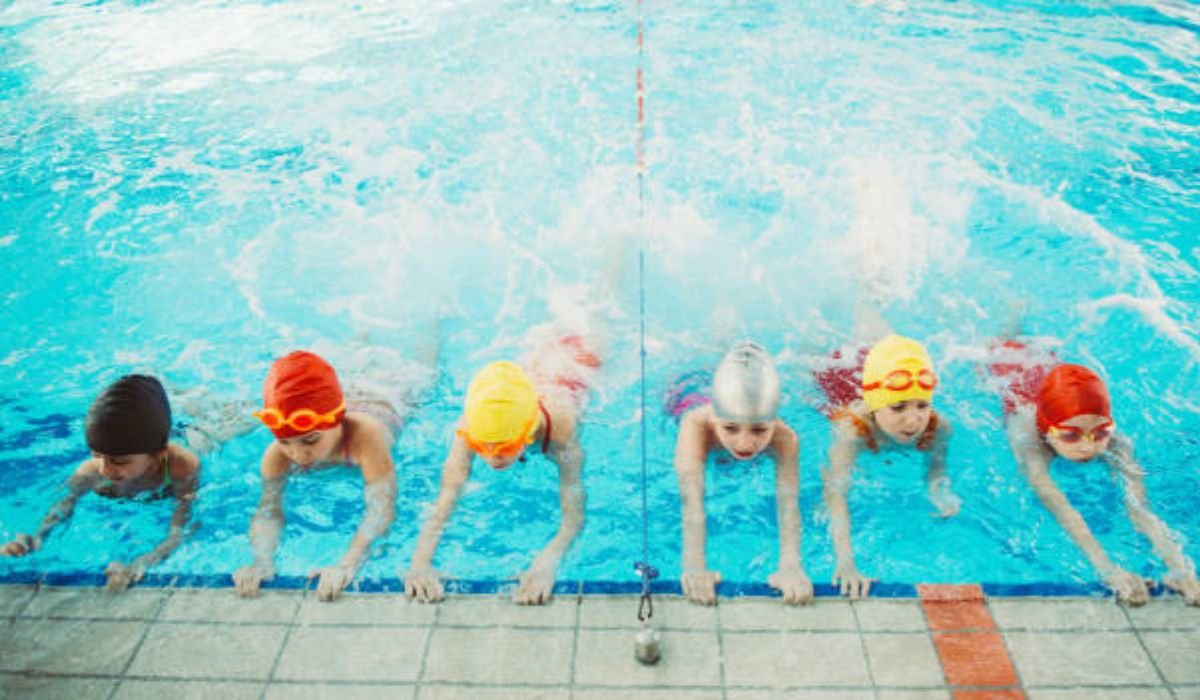
Swimming is more than just an enjoyable pastime. It is an essential life skill that delivers substantial health, developmental, and safety benefits, particularly for children. Enrolling kids in swim lessons NYC can set the foundation for lifelong wellness and safety. For families looking to strengthen their child’s physical abilities while ensuring their well-being around water, structured swimming instruction offers significant advantages.
Besides being a valuable survival skill, swimming lessons encourage discipline, foster positive mental health, and contribute to a child’s cognitive and social development. Whether your child is new to the water or hoping to refine their technique, the benefits of formal swim education extend far beyond the pool’s edge.
Parents who introduce their children to swimming early can expect improvements not only in water safety but also in overall health and psychological resilience. These positive outcomes are supported by both research and countless real-life stories from families worldwide.
Drowning remains one of the leading causes of accidental death among children, making water safety education critically important. The Centers for Disease Control and Prevention (CDC) reports that formal swimming lessons can reduce drowning risk by up to 88 percent among children aged 1 to 4 years. Learning to float, tread water, and interpret safety cues helps kids prepare for emergencies and respond effectively if needed. Beyond ensuring children are comfortable in the water, swim lessons instill practical strategies for recognizing and avoiding risky situations.
Swimming is a full-body workout that supports balanced growth, endurance, and flexibility in children. Unlike high-impact sports, swimming protects developing joints and bones while working major muscle groups in unison. These physical benefits are especially important for young children, as regular water activity can improve overall fitness, posture, and coordination. Additionally, developing these skills at a young age often sets the stage for an active, healthy lifestyle in adulthood.
Research continues to highlight a strong relationship between physical activity and brain development. Swimming lessons combine movement and learning, which supports improved memory, sharper focus, and more effective problem-solving skills in children. Studies indicate that children who participate in regular swimming instruction often excel in areas such as mathematics, reading, and classroom behavior, as motor and cognitive skills develop in tandem. Introducing challenging yet enjoyable routines in the pool strengthens neural pathways and encourages lifelong learning habits.
The gentle, rhythmic motion of swimming offers notable mental health benefits for children. Water’s soothing effect, paired with regular physical activity, can reduce feelings of anxiety and promote more restful sleep. Engaging in swim lessons helps children process emotions, manage stress, and build self-regulation skills in a supportive environment. Over time, these habits contribute to a positive mindset that can carry over into other aspects of daily life.
Swimming lessons naturally provide opportunities for socialization. Sharing the pool with peers teaches children the importance of teamwork, communication, and respecting boundaries. They learn to take turns, listen to instructors, and celebrate each other’s progress. These group dynamics build friendships and encourage children to express themselves in a community setting, effectively strengthening their interpersonal confidence.
Overcoming initial water fears and acquiring new swimming skills gives children a unique sense of achievement. Every mastered stroke and small victory in the pool enhances their self-esteem, empowering them to embrace new challenges outside of swimming. This foundation of confidence and resilience helps children face setbacks constructively, setting a positive example for approaching obstacles throughout their lives.
Starting swim instruction at an early age helps children associate physical activity with enjoyment and personal growth. Unlike many competitive sports, swimming is a lifelong pursuit that can be enjoyed well into adulthood, whether recreationally or for fitness. Early exposure to swimming fosters lasting health-conscious habits that contribute to overall well-being for years to come.
Investing in swimming lessons for your child is one of the most valuable steps you can take toward their safety, health, and development. The benefits extend well beyond the water, touching every aspect of their growth. If you are considering swim lessons, searching for a reputable swim school in your area is a great way to start your child’s journey toward greater confidence, resilience, and lifelong health.
 Admin
Admin  Arthur